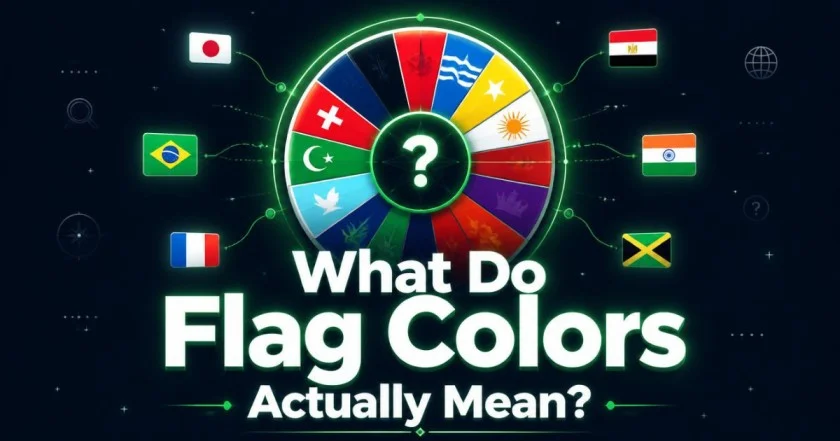
Every color on every national flag was chosen deliberately. Colors on flags are not decorative choices made by a committee trying to make something look nice. They encode history, religion, geography, political ideology, and cultural identity into a few square meters of fabric. The same color can mean completely different things depending on which flag it appears on and which tradition shaped that flag's design.
This guide covers what each major flag color actually means, why the same color often means different things on different flags, and how understanding this helps you become a better flag player. Knowing why a flag looks the way it does makes it far easier to remember than treating it as a random collection of shapes and colors.
What Is Vexillology?
Vexillology is the study of flags. The word was coined by Dr. Whitney Smith in 1957 from the Latin "vexillum," meaning a type of Roman military standard. Vexillologists study flag design, history, and symbolism. The field has its own academic journal and international organization, and the principles it developed shape how modern flags are designed.
Table of Contents
- Red — The Most Common Flag Color
- White — Peace, Purity, and Surrender
- Blue — Freedom, Water, and the Sky
- Green — Islam, Nature, and Prosperity
- Yellow and Gold — Wealth, Sun, and Royalty
- Black — Heritage, Determination, and Struggle
- Orange — Courage, Religion, and Revolution
- Purple — The Rarest Flag Color
- Color Groups That Define Regions
- Why the Same Color Means Different Things
- How Color Knowledge Helps in Flagle
Red — The Most Common Flag Color
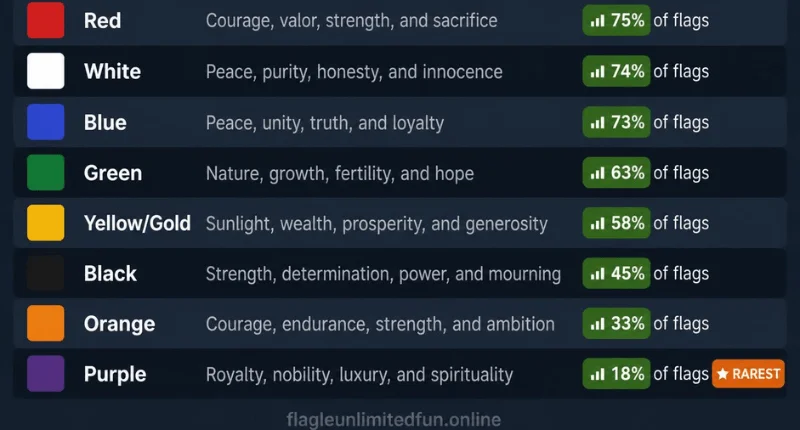
Red appears on more national flags than any other color. According to one analysis, red is used on approximately 77% of all country flags worldwide. That prevalence alone tells you something important: red is the most universally understood color of significance, and no nation wants its flag to feel insignificant.
The core meaning of red on flags is almost always some combination of courage, sacrifice, and blood. The blood can be literal, representing the lives lost in a war of independence or revolution. It can be symbolic, representing the willingness to sacrifice. It can also represent the energy and passion of a people rather than any specific historical event.
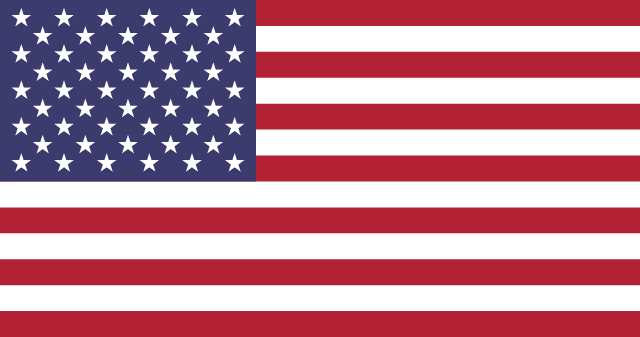 United States
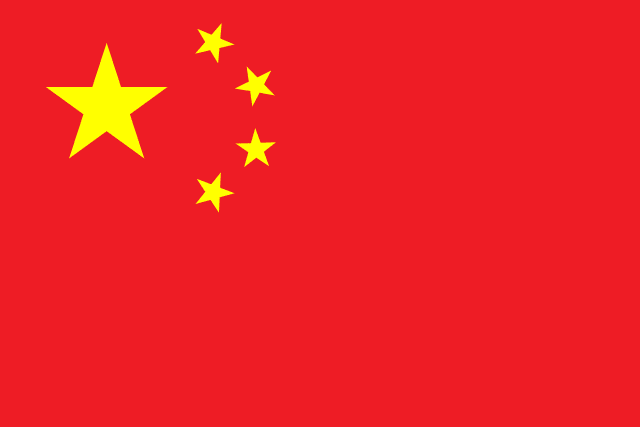 China
China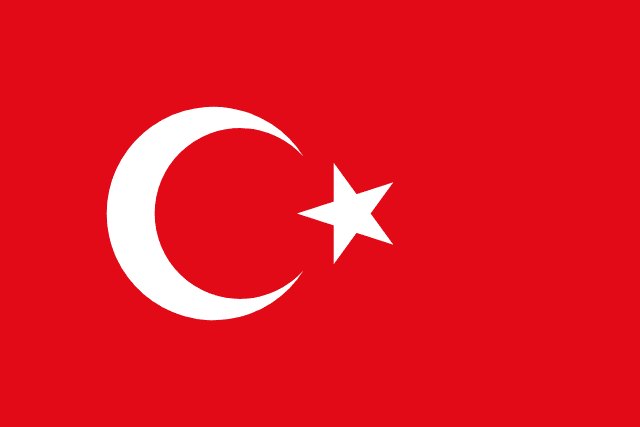 Turkey
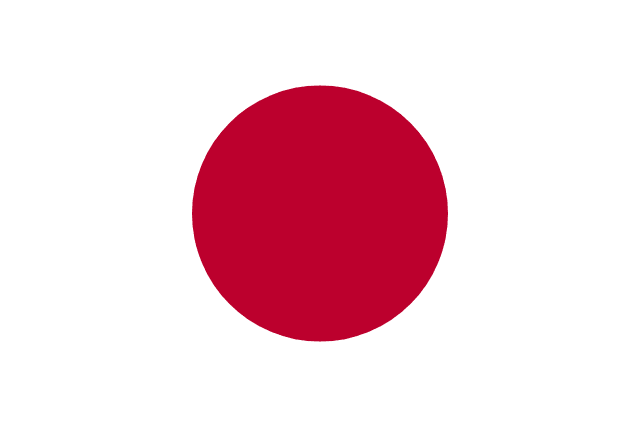 Japan
Japan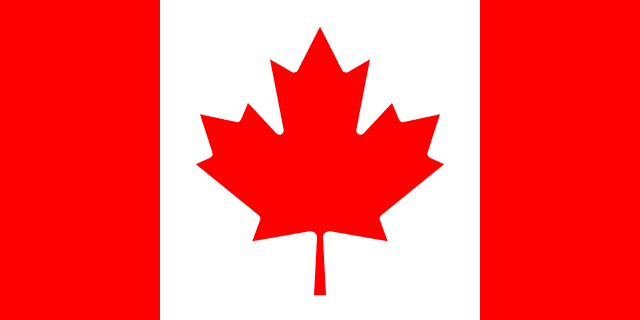 Canada
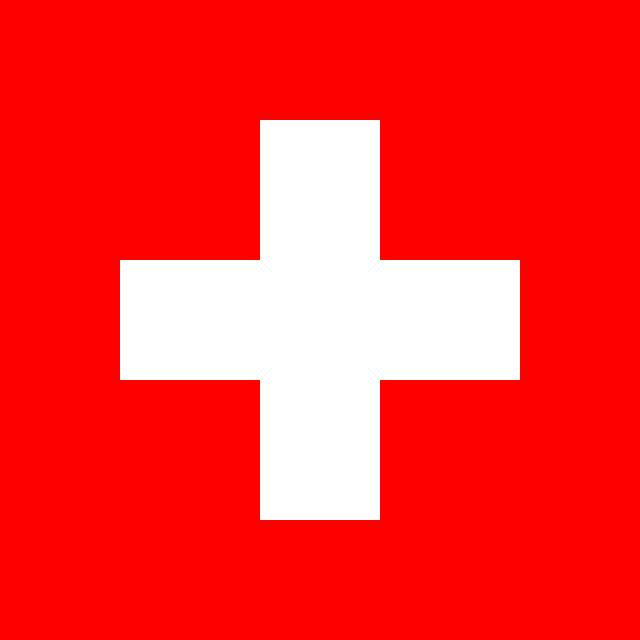 Switzerland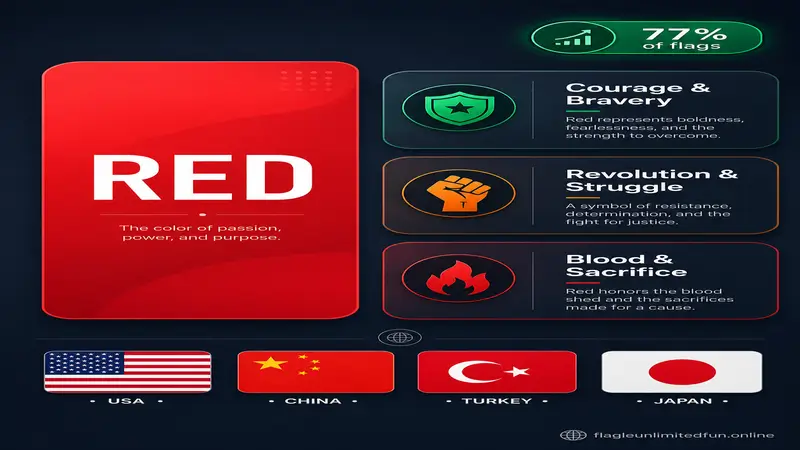
The meaning varies significantly by tradition. In the United States, red represents valor and bravery. In China, it represents the Communist revolution. In Turkey, it represents the Ottoman imperial tradition and the blood of soldiers. In Japan, the red circle represents the rising sun rather than bloodshed. In Switzerland, the red background of the flag dates to the Battle of Laupen in 1339, where Swiss soldiers wore red to identify themselves.
One pattern worth noting: the Soviet Union's adoption of a red flag transformed the color's traditional meaning of courage into a powerful symbol of communist ideology across Eastern Europe and Asia. Many countries that were once part of the Soviet sphere or were influenced by communist movements use red prominently, though the symbolism has often been reinterpreted in post-Soviet redesigns.
White — Peace, Purity, and Surrender
White carries two very different associations depending on context. In Western flag traditions, white most commonly represents peace, purity, and innocence. In several East Asian cultures, white is traditionally associated with mourning and death. This cultural split is one of the clearest examples of why color symbolism cannot be read the same way across all flags.
Japan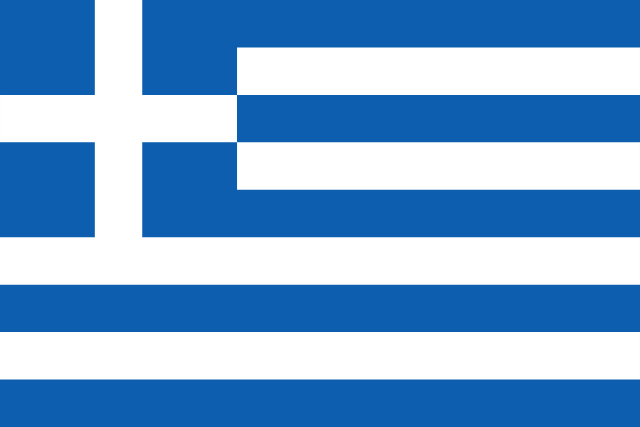 Greece
 Israel
 Portugal
 Finland
 Saudi Arabia
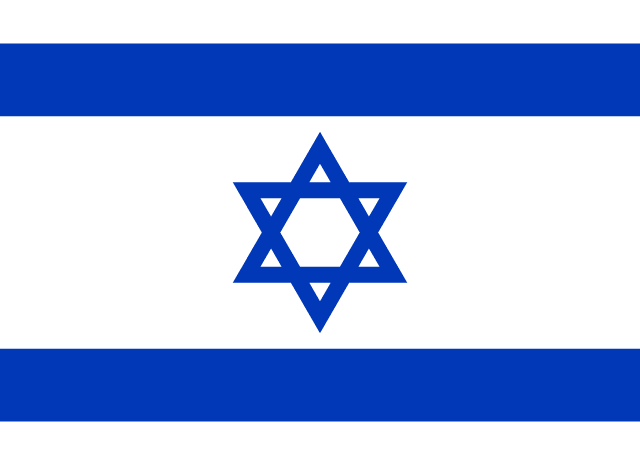
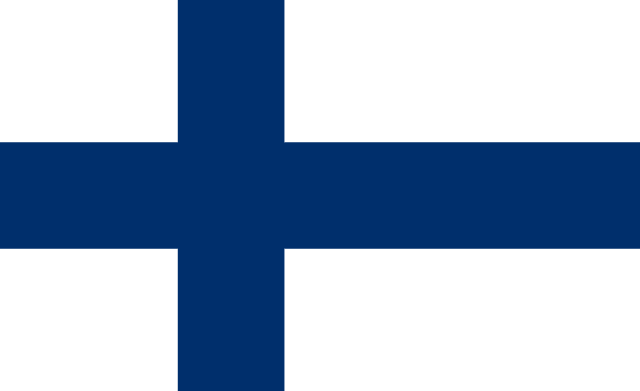
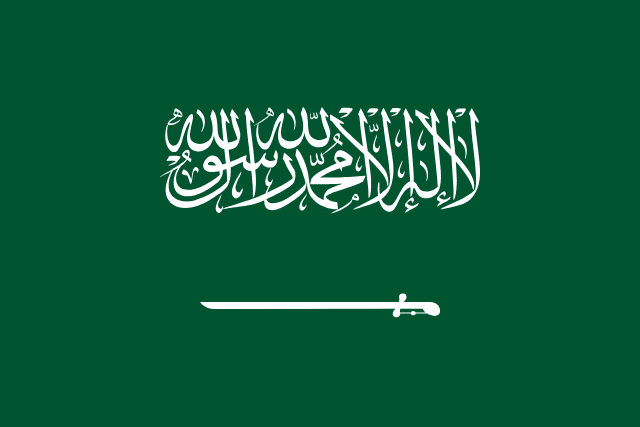
In Japan, the white background of the Hinomaru represents honesty and purity. In Israel, the white background and blue stripes are modeled on the tallit, the traditional Jewish prayer shawl. In Finland, the white background represents the snow-covered landscape of the country. In Saudi Arabia, the white Arabic text and sword represent the clarity and purity of the Islamic faith.
White is also universally recognized as the color of surrender and truce in military contexts, which is why it rarely appears as the dominant color on flags of nations with strong military traditions. A predominantly white flag risks looking like a surrender signal, which is not the message most nations want to send.
Blue — Freedom, Water, and the Sky
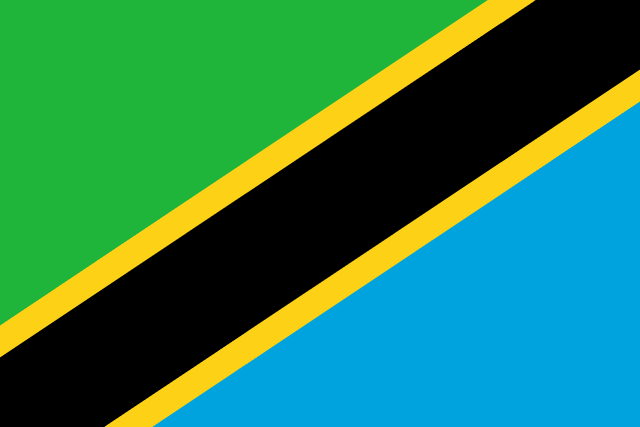
Blue is the third most common flag color and carries a wide range of associations: freedom, loyalty, vigilance, truth, water, and the sky. The specific meaning depends heavily on the geographic and cultural context of the country using it.
Greece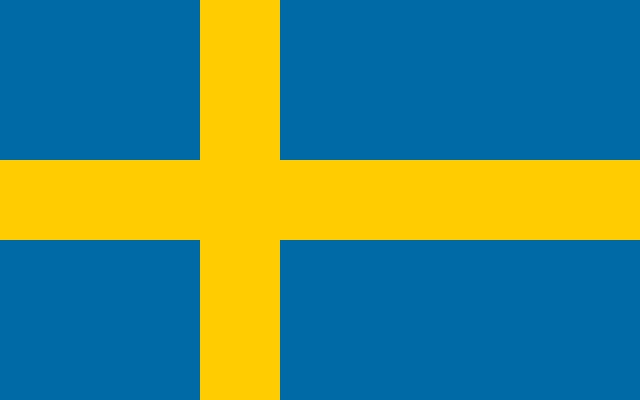 Sweden
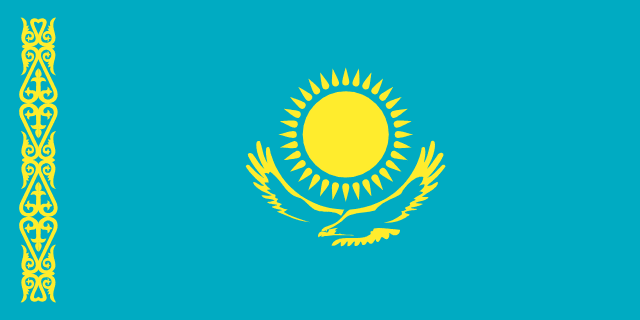 Kazakhstan
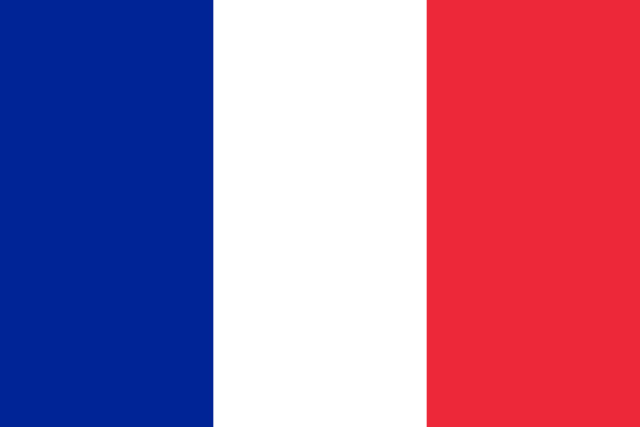 France
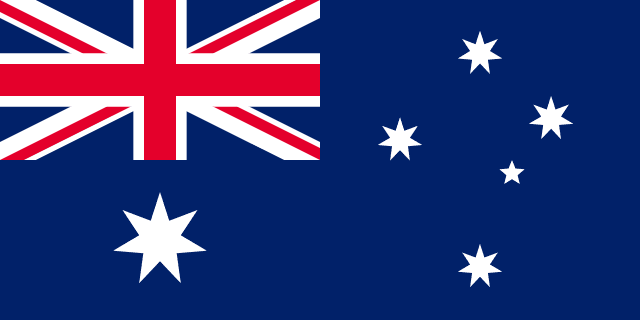 Australia
 Tanzania
For island nations and coastal countries, blue frequently represents the surrounding ocean. Australia, New Zealand, Fiji, and many Caribbean nations use blue to reference the sea that defines their geography. For landlocked countries, blue often represents the sky. Kazakhstan's bright sky blue field specifically represents the endless sky above the Central Asian steppe.
In France, blue has a complex layered meaning: it represents the royal house of France in its historical origin, while after the Revolution it became associated with liberty and the ideals of the French Republic. This dual meaning, one color serving both the old regime and the new, is a good example of how flag colors accumulate meanings over time rather than having a single fixed definition.
Green — Islam, Nature, and Prosperity
Green carries two dominant associations in flag design. In countries with majority Muslim populations, green is the sacred color of Islam, associated with the Prophet Muhammad and paradise. In countries without a strong Islamic tradition, green typically represents nature, agricultural land, forests, and prosperity.
Saudi Arabia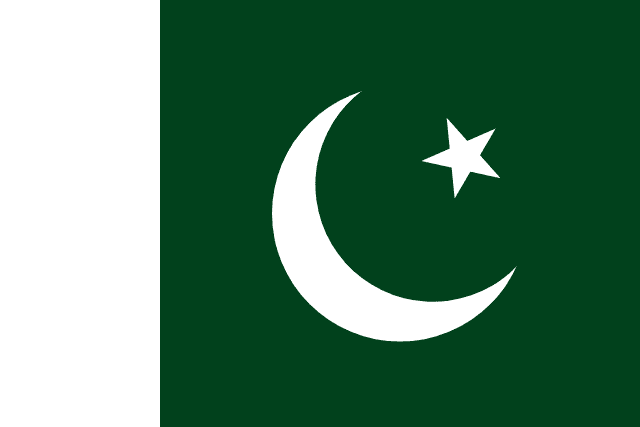 Pakistan
 Nigeria
 Brazil
 Ireland
 Libya
Libya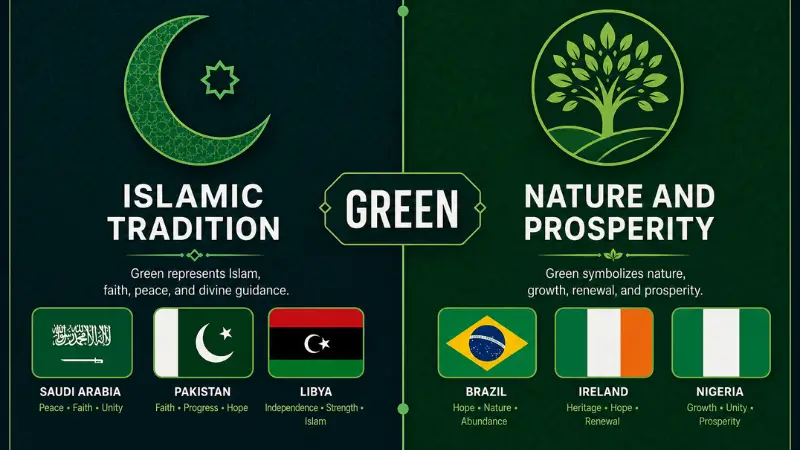
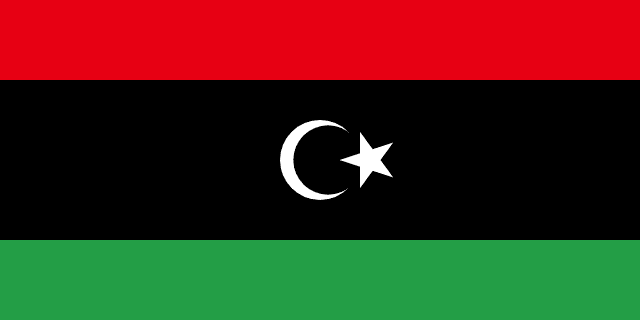
Saudi Arabia's entirely green flag is the clearest example of green as an Islamic symbol. Pakistan uses a predominantly green field for the same reason, representing the Muslim majority of the country. Libya used a solid green flag from 1977 to 2011, the only entirely one-color national flag in the world during that period.
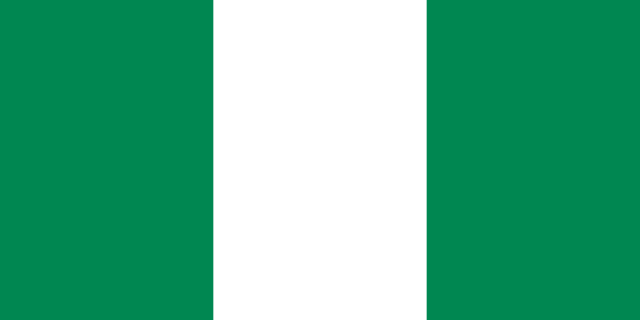
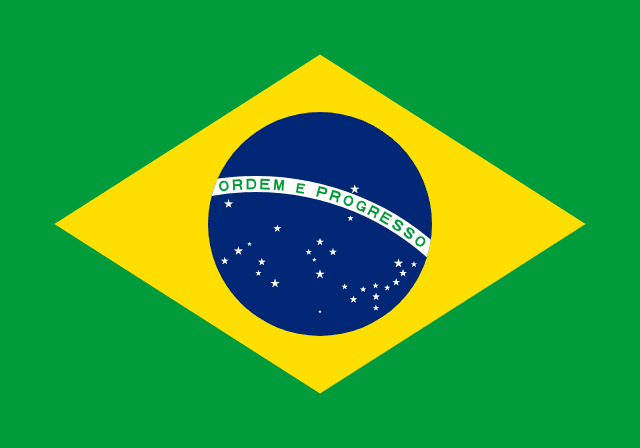
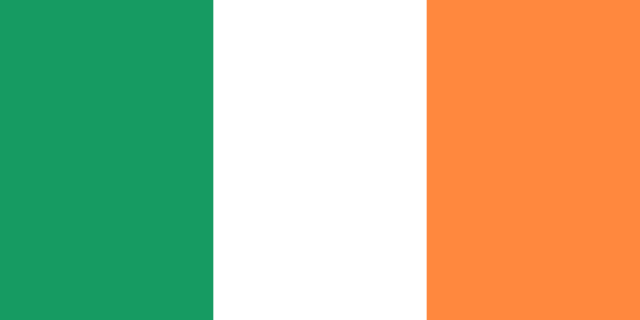
For countries like Brazil, Ireland, and Nigeria, green has nothing to do with religion. Brazil's green represents the vast rainforests and natural wealth of the country. Ireland's green stripe represents the Gaelic Irish tradition and the Catholic majority. Nigeria's green stripes represent the agricultural richness of the land.
Yellow and Gold — Wealth, Sun, and Royalty
Yellow and gold are often treated as interchangeable in flag design, though there is a technical difference: gold implies a metallic richness while yellow is a flat pigment color. In practice, most flags described as having gold stripes or stars are rendered in yellow for practical printing and dyeing reasons.
 GermanyBrazil
 EthiopiaSwedenChina
 Ukraine
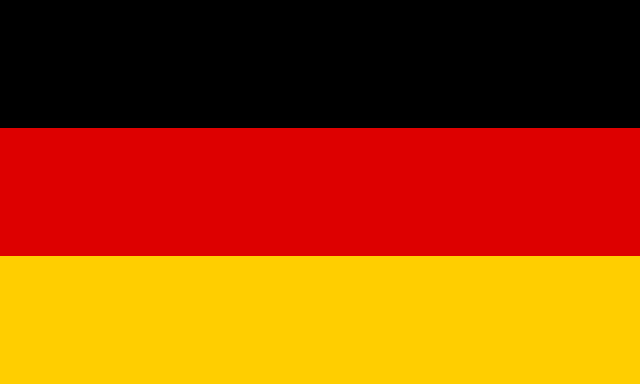
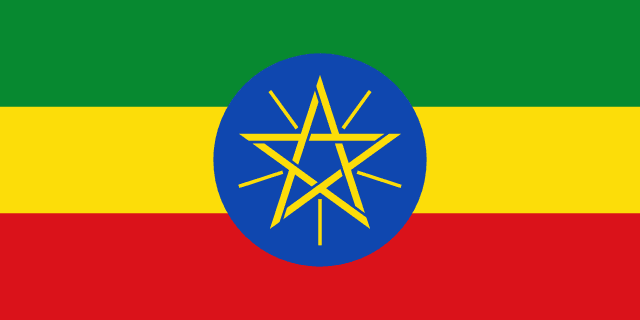
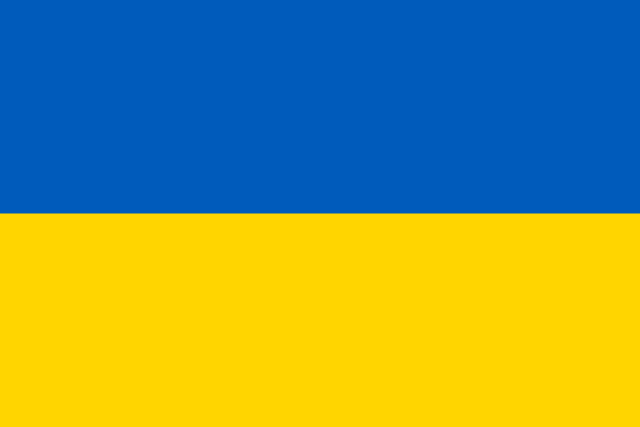
The most common meanings for yellow and gold on flags are wealth, the sun, and royal or imperial heritage. Germany's gold stripe represents the gold of the Holy Roman Empire and was adopted by the 19th century liberal movement as a symbol of unity and freedom. Sweden's yellow cross on blue represents the Swedish royal house. Ukraine's yellow lower half represents the vast wheat fields of the country's agricultural heartland.
In African flags influenced by Pan-African colors, yellow typically represents the mineral wealth and natural resources of the continent. In Chinese symbolism, gold represents imperial power and good fortune, which is why China's stars are golden on a revolutionary red field.
Black — Heritage, Determination, and Struggle
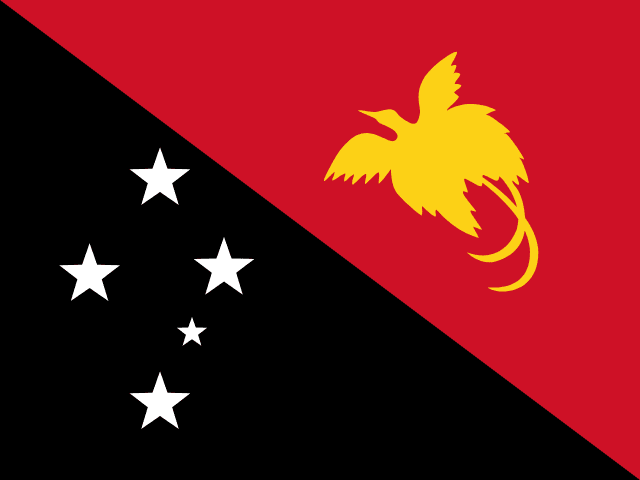
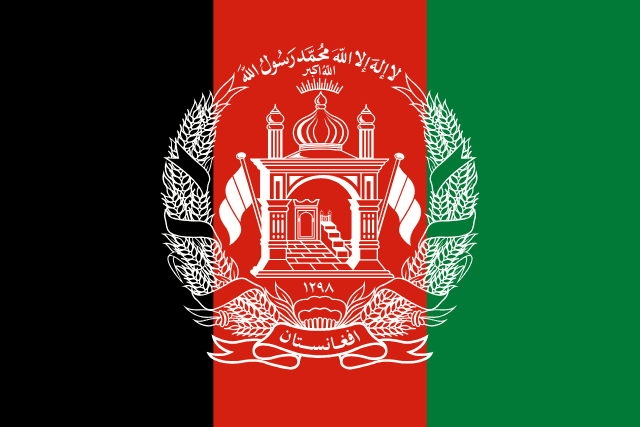
Black is used on fewer national flags than any other primary color, partly because of its association with mourning and death in many cultures, and partly because large areas of black can be visually heavy and difficult to render in fabric. When black does appear on a flag, it almost always carries specific historical meaning rather than a generic association.
Germany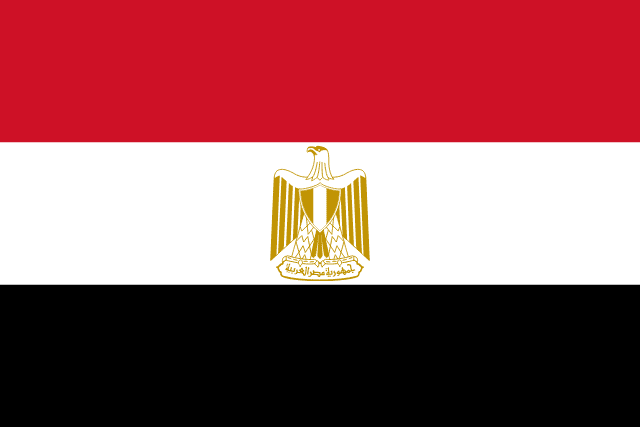 Egypt
Egypt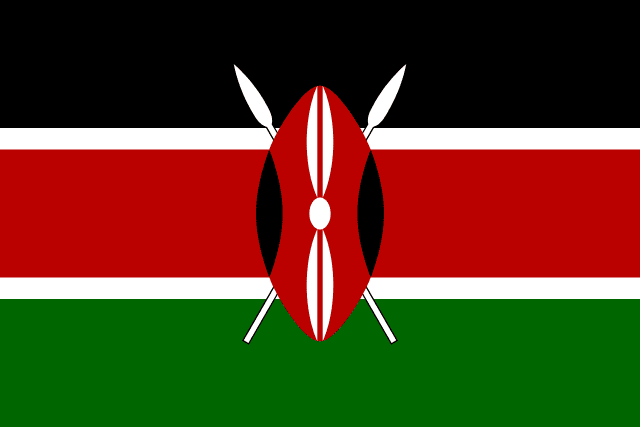 Kenya
Kenya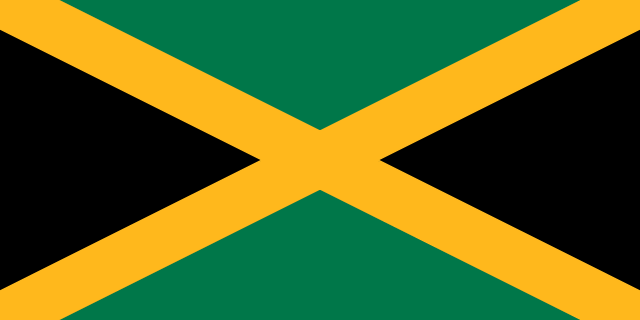 Jamaica
 Papua New Guinea
 Afghanistan
In Jamaica, the black areas of the flag's X design represent the hardships the Jamaican people have faced and overcome. In Kenya, the black stripe represents the Kenyan people themselves. In Egypt, the black stripe at the bottom represents the end of the dark period of oppression. In Germany, black appears as part of the national colors dating back to the volunteer corps who fought Napoleon, wearing black uniforms with red trim and gold buttons.
In Pan-African symbolism, black often represents the African people and the African diaspora. This is why it appears prominently on the flags of Jamaica, Trinidad and Tobago, and several African nations that adopted Pan-African color schemes after independence.
Orange — Courage, Religion, and Revolution
Orange is relatively rare on national flags compared to red, blue, and green, but where it appears it tends to carry strong specific meaning. The two dominant contexts for orange in flag design are the Dutch royal house of Orange-Nassau and various Asian religious traditions, particularly Hinduism and Buddhism.
 IndiaIreland
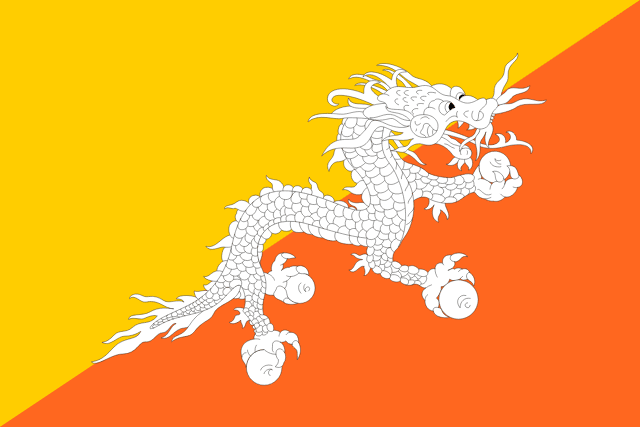 Bhutan
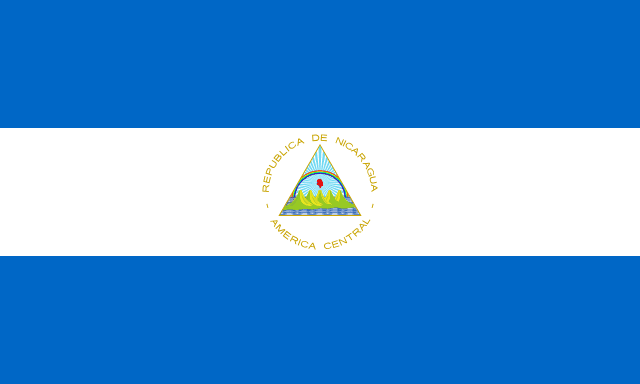 Niger
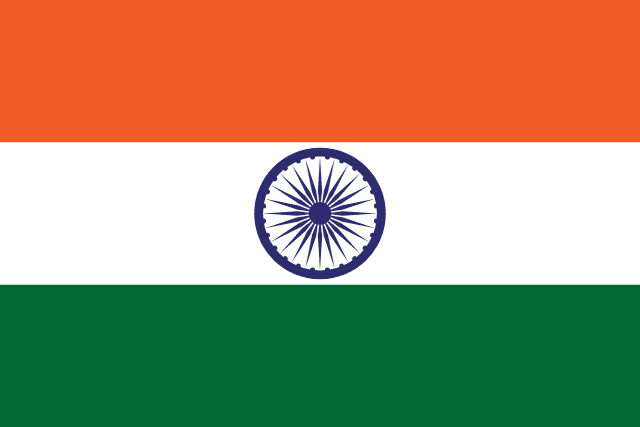
NigerIndia's saffron stripe represents courage and sacrifice, drawing from the Hindu and Buddhist traditions where saffron is a sacred color associated with renunciation of materialism. Bhutan's orange half represents the power of Buddhist institutions and the spiritual authority of the Druk religious tradition. Ireland's orange stripe represents the Protestant community of Ireland, specifically the tradition associated with William of Orange, creating a flag that places the Catholic green and Protestant orange on either side of a white stripe representing peace between them.
Purple — The Rarest Flag Color
Purple is almost entirely absent from national flags, which makes it worth explaining. The reason is historical and economic: for most of human history, purple dye was extraordinarily expensive to produce. It was derived from sea snails called murex, and producing a small amount required enormous quantities of snails. This made purple the color of royalty and extreme wealth, which also made it impractical for flags that needed to be produced at scale.
When synthetic dyes became available in the late 19th century, many national flags were already established with other colors, and changing them was politically and symbolically difficult. Nicaragua and El Salvador are the only countries with purple on their current national flags, and in both cases it appears only in the rainbow of their coat of arms rather than as a field color. Spain's flag used a shade called "grana" that is sometimes interpreted as a dark purple-red.
Color Groups That Define Regions
Several recognized color combinations are so strongly associated with specific regions or political movements that they function almost as geographic signals in flag design.
Pan-Arab Colors
Red, black, white, and green appear together on the flags of many Arab nations, including Iraq, Jordan, Kuwait, the United Arab Emirates, Sudan, Syria, and Yemen. These colors trace back to the Arab Revolt of 1916 and were used deliberately to signal Arab unity and the shared heritage of the Arab world. When you see all four of these colors on a flag, it is almost certainly from the Arab world or North Africa.
Pan-African Colors
Green, yellow, and red, in various arrangements, appear on the flags of many African nations that gained independence in the 20th century. These colors were popularized by Ethiopia, whose flag predates colonialism and became a symbol of African independence and resistance. Ghana's flag, which prominently used these colors after independence in 1957, helped spread them across the continent. Bolivia is a notable exception: it uses the same three colors but in South America, which routinely confuses flag players.
Pan-Slavic Colors
Blue, white, and red appear on the flags of Russia, Serbia, Slovakia, Slovenia, Croatia, and several other Slavic nations. These colors were adopted at a Pan-Slavic congress in 1848 as a symbol of Slavic unity, drawing from the colors of the Russian flag. The similarity between several of these flags, especially Slovenia and Slovakia, is a direct result of this shared color tradition. For more on telling these apart, see our guide to the hardest flags to identify.
Nordic Colors
The Nordic cross design, a cross offset toward the hoist, appears on the flags of Norway, Sweden, Denmark, Finland, and Iceland. The colors vary but the cross design is consistent, representing Christianity and the shared Nordic heritage of these nations. Denmark's Dannebrog, which uses a red field with a white cross, is considered the oldest national flag still in use, dating to the 13th century.
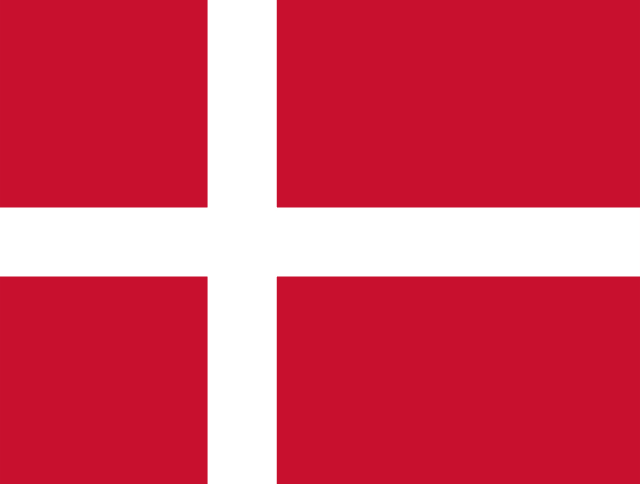 DenmarkSweden
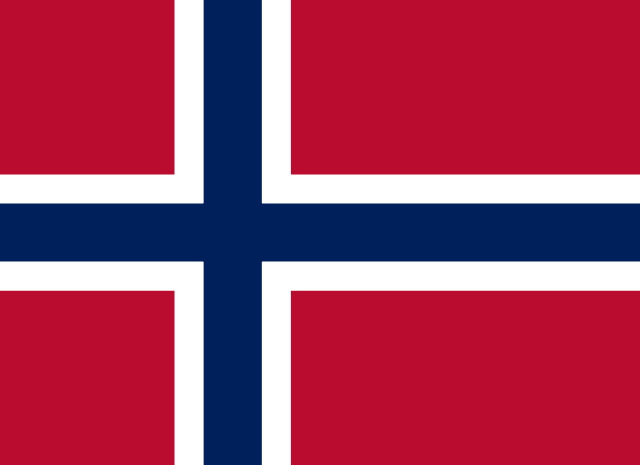 NorwayFinland
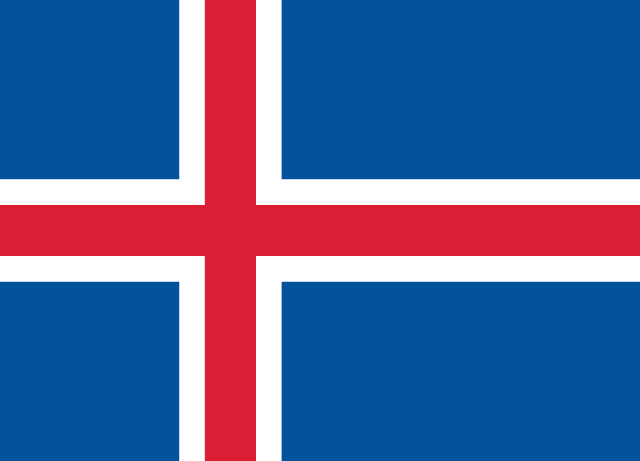 Iceland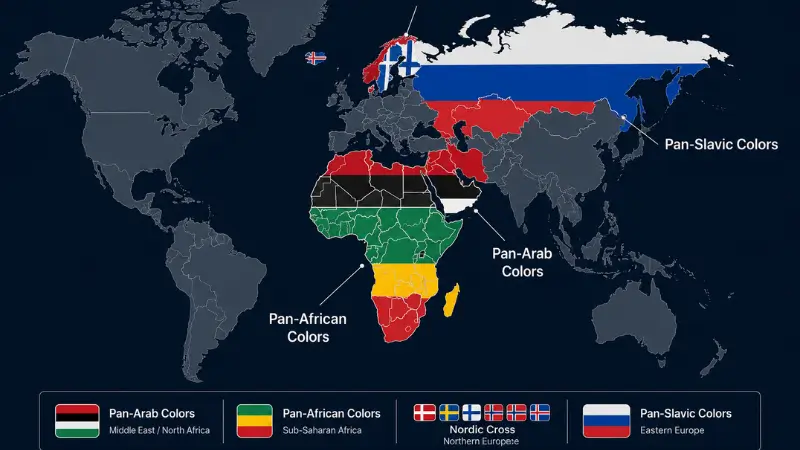
Why the Same Color Means Different Things
The most important thing to understand about flag color symbolism is that meaning is not universal. Red means courage on the American flag, revolution on the Chinese flag, the Ottoman Empire on the Turkish flag, and the rising sun on the Japanese flag. These are all valid and intentional meanings, none of which contradicts the others.
Color meaning in flags comes from three sources. The first is the cultural tradition of the people who designed the flag, which shapes what associations they bring to each color. The second is the historical moment when the flag was created, since a flag designed during a revolution will encode different meanings than one designed during a period of peaceful nation-building. The third is the influence of neighboring flags and regional color traditions, which is why countries in the same region often share colors even when the specific symbolism differs.
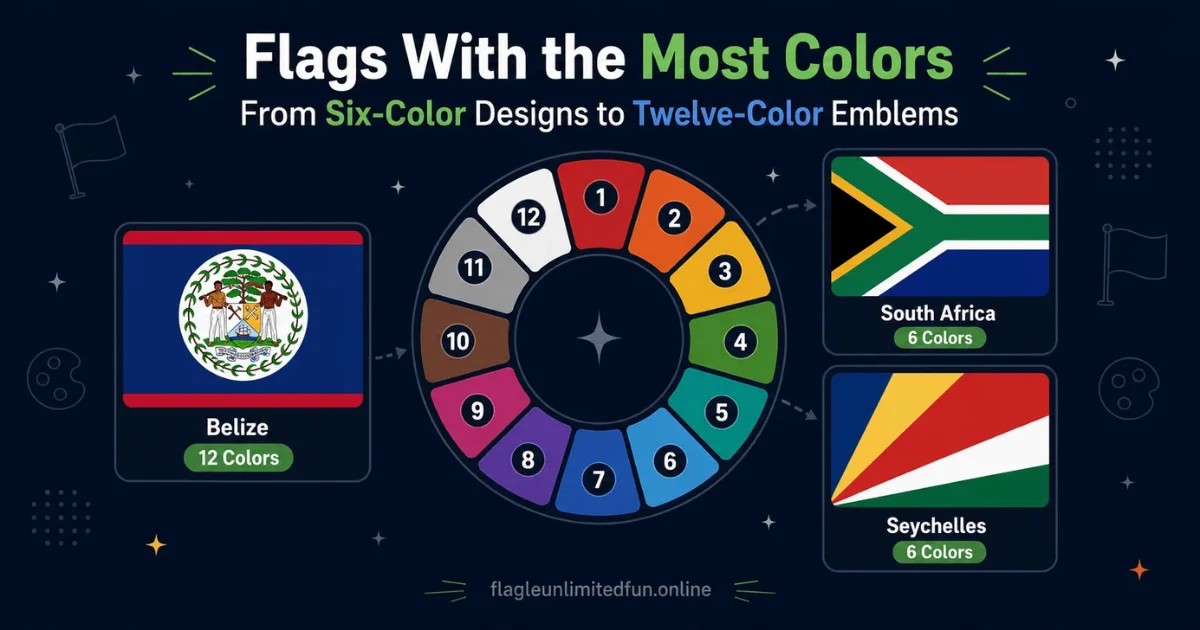
This is also why the same flag can be genuinely reinterpreted over time. South Africa's flag, adopted in 1994 after the end of apartheid, was specifically designed to incorporate the colors of all major political groups and communities in the country. The six colors work simultaneously as a neutral synthesis and as a symbol of the new democratic beginning. A flag created in 1994 could not mean the same things as a flag created in 1848.
How Color Knowledge Helps in Flagle
Understanding flag color symbolism makes you a significantly better Flagle player. When you see a flag tile reveal a dominant color, you can immediately narrow the geography before you can even see a symbol.
A dominant green field with a crescent visible almost certainly means a Muslim-majority country in the Middle East, North Africa, or South Asia. A sky blue field means you are probably looking at Central Asia, specifically Kazakhstan or Uzbekistan. Green, yellow, and red together without any other elements points strongly to sub-Saharan Africa or possibly Ethiopia specifically. Red, black, white, and green together in horizontal stripes means the Arab world. A Nordic cross means one of five Scandinavian countries.
These color-based regional shortcuts let you use the distance indicator more efficiently. Instead of guessing randomly when the full flag is not yet visible, you can form a hypothesis about the region based on color alone, then use your geographic guess to generate distance data that confirms or contradicts that hypothesis. This is the same approach used by the players at the top of the Flagle Unlimited leaderboard.
For a practical application of this knowledge, try the Daily Challenge and pay specific attention to what the first revealed tile's color tells you before you look at anything else. With practice, the color-to-region connection becomes automatic. Combined with the strategy in our complete improvement guide, color recognition alone can drop your average attempts by a full guess within a few weeks of deliberate practice.