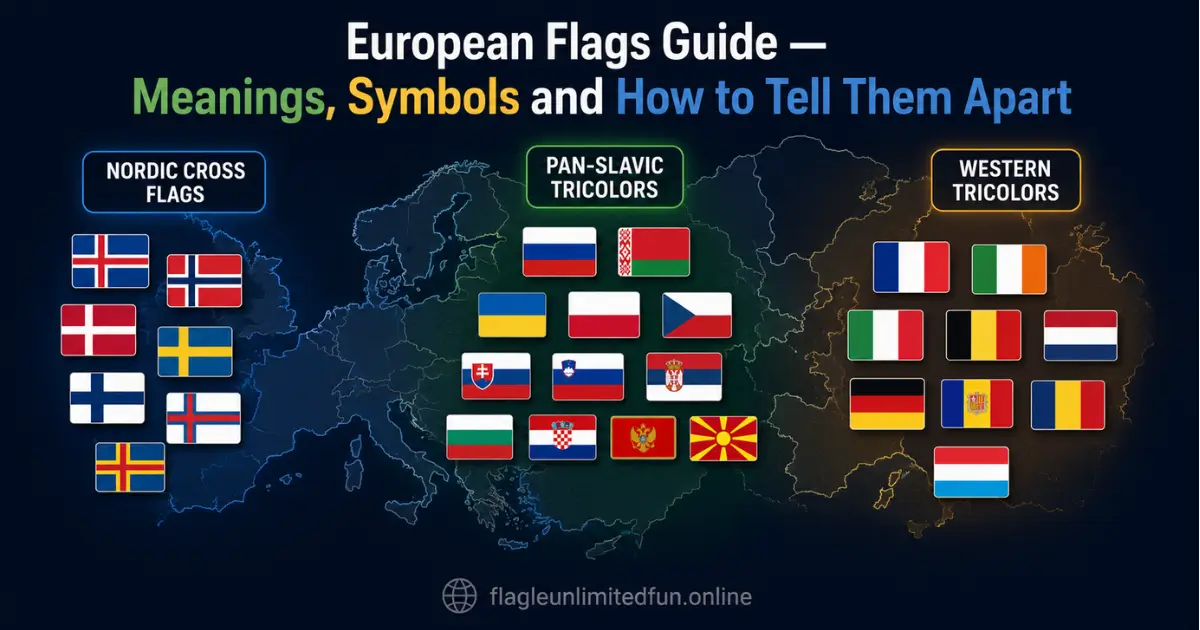
Europe has 44 sovereign nations, and their flags cover a wider range of design traditions than any other continent. You will find the oldest continuously used national flag here, the only flags with a Nordic cross, the flags that inspired the Pan-Slavic movement, and several of the most visually confusing flag pairs in the world. Understanding European flags requires understanding the three major design traditions that shaped most of them.
This guide covers European flags by region and tradition, explains the symbols and color meanings, and gives practical tips for telling the most similar flags apart. If you play Flagle Unlimited, Europe is the continent where geographic reasoning matters most, because so many flags share the same colors in nearly identical arrangements.
Three Design Traditions That Define European Flags
Most European flags belong to one of three design families. The Nordic cross flags of Scandinavia all share an offset cross design, the oldest of which dates to the 13th century. The Pan-Slavic tricolors of Eastern Europe use red, white, and blue in various arrangements, inspired by a movement for Slavic unity that peaked in the 19th century. The revolutionary tricolors of Western and Central Europe use three-stripe designs that emerged from the influence of the French Revolution. Each family has its own internal logic, and recognizing which family a flag belongs to immediately narrows the field of candidates.
Table of Contents
- Nordic Countries — The Cross Design Family
- Western European Flags
- Eastern European Flags — The Pan-Slavic Family
- Southern European Flags
- Microstates and Unusual Designs
- How to Tell Similar European Flags Apart
- European Flags in Flagle
Nordic Countries — The Cross Design Family
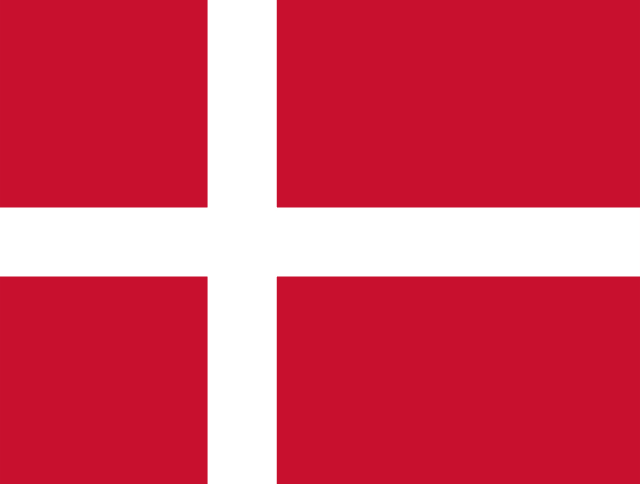
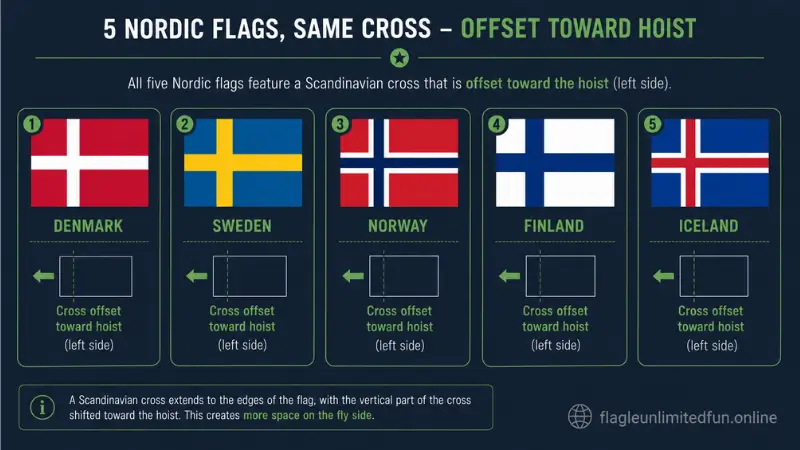
The five Nordic countries all use a variation of the same design: a cross that is offset toward the hoist rather than centered. This design originated with Denmark's Dannebrog, which has been in continuous use since at least the 14th century and is widely considered the oldest national flag still in use. Each subsequent Nordic flag adapted the cross design while using different colors to create a distinct national identity.
 Denmark
 Sweden
 Norway
 Finland
 Iceland
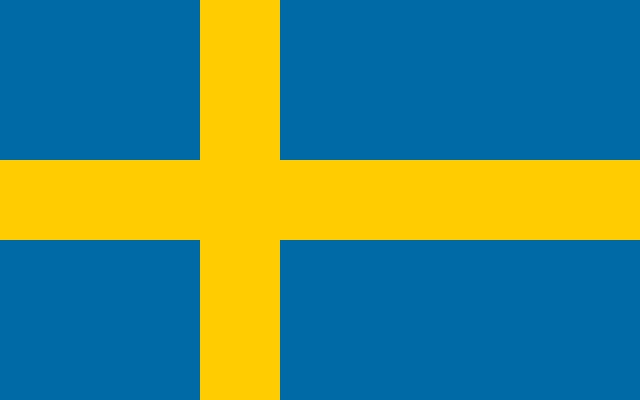
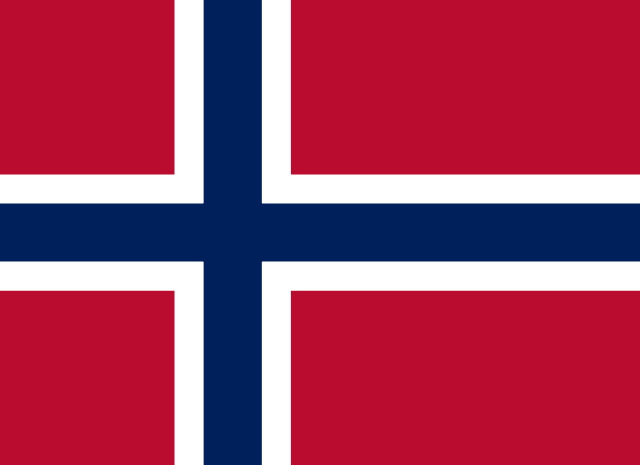
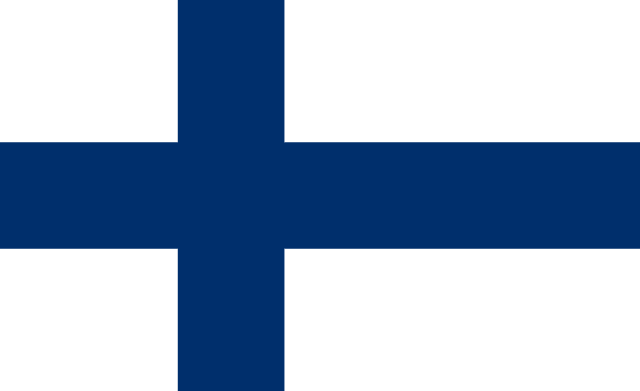
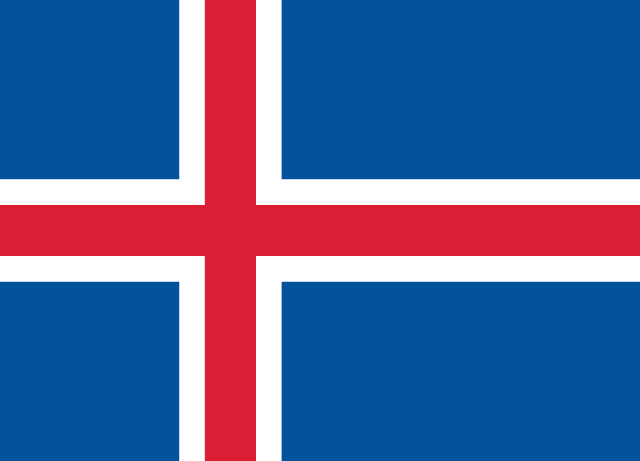
Denmark uses a red field with a white cross, the original Dannebrog design. According to legend, the flag fell from the sky during the Battle of Lyndanisse in 1219, though historians trace the actual design to the 14th century. Sweden uses a blue field with a yellow cross, colors drawn from the Swedish coat of arms which features three gold crowns on blue. Norway adds a layer to the Danish design: a blue cross outlined in white on a red field, incorporating the three traditional Norwegian colors. Finland reverses the Danish palette: a white field with a blue cross, the blue representing Finland's thousands of lakes and the white its snow. Iceland uses a blue field with a red cross outlined in white, drawing from the Norwegian design and representing Iceland's geography through blue for the ocean and red for volcanic fire.
Recognition Tips for Nordic Flags
All five use a cross offset toward the hoist. No other major European nation uses this design. The colors distinguish them: Denmark is red and white, Sweden is blue and yellow, Norway adds blue to the Danish red-white, Finland is white and blue, Iceland is blue with red inside. If you see an offset cross in a European flag, you are looking at one of these five countries.
Western European Flags
Western European flags were heavily influenced by the French Revolution of 1789. The French tricolor became the model for democratic movements across the continent, spreading the three-stripe design as a symbol of rejecting monarchist symbols and embracing republican ideals. Several Western European flags are vertical tricolors that descend directly from this tradition.
 France
 Germany
 United Kingdom
 Ireland
 Netherlands
 Belgium
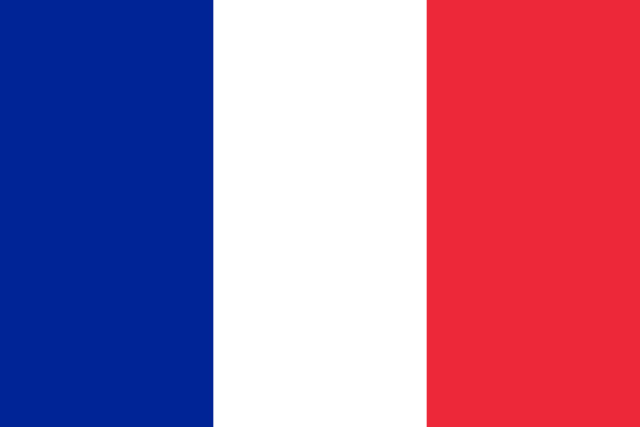
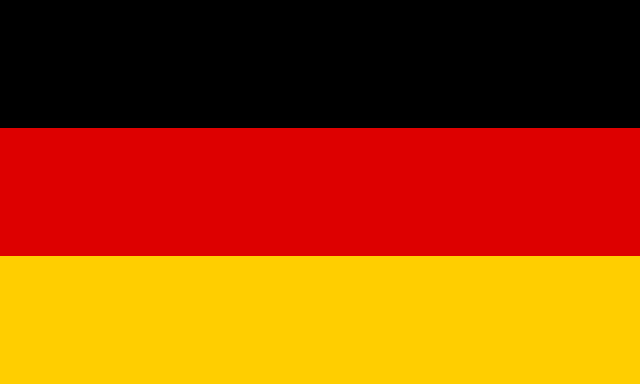
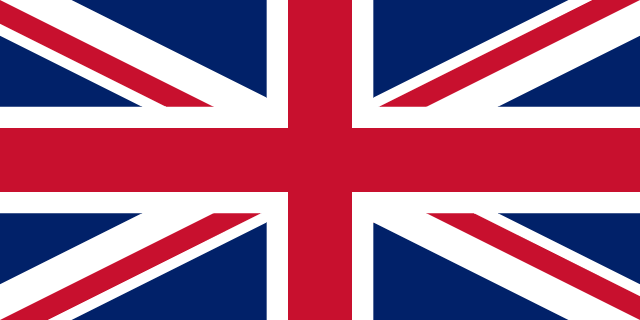
France uses a vertical blue, white, and red tricolor adopted during the Revolution. Blue and red were the colors of Paris, white was the royal color of France, and together they represented the union of the monarchy with the people of Paris. Germany uses a horizontal tricolor of black, red, and gold. These colors first appeared on the uniforms of the Lützow Free Corps, who fought Napoleon wearing black with red trim and gold buttons, and were adopted by the liberal democratic movement in the 19th century. The United Kingdom uses the Union Jack, a combination of three crosses: the red Cross of Saint George of England on white, the white diagonal Cross of Saint Andrew of Scotland on blue, and the red diagonal Cross of Saint Patrick of Ireland.
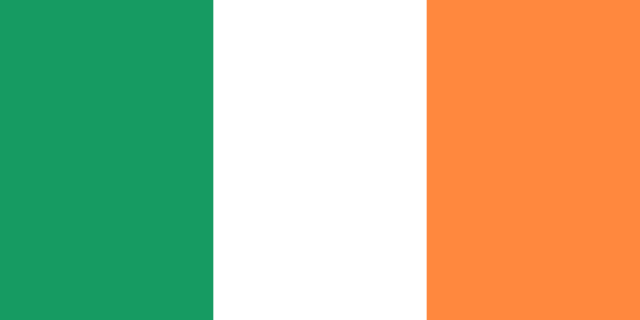
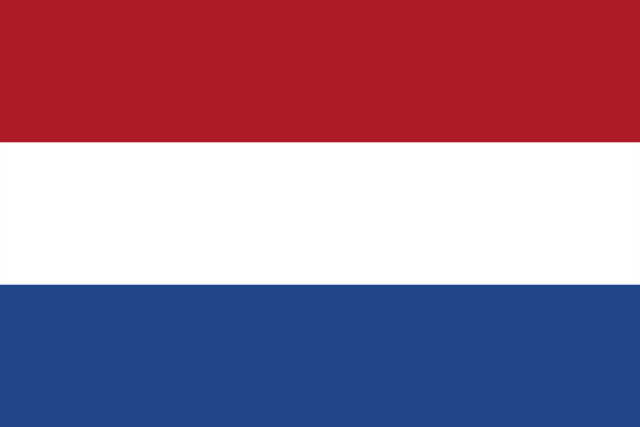
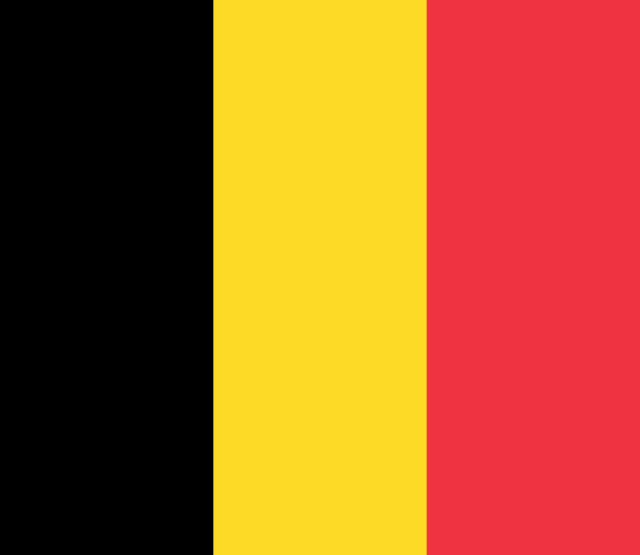
Ireland uses a vertical tricolor of green, white, and orange. The green represents the Gaelic Irish Catholic tradition, the orange represents the Protestant tradition associated with William of Orange, and the white stripe between them represents peace. The Netherlands uses a horizontal red, white, and blue tricolor, one of the oldest tricolor flags in the world. The Dutch tricolor inspired the French tricolor and through France influenced democratic movements across Europe. Belgium uses a vertical tricolor of black, yellow, and red, drawn from the colors of the medieval Duchy of Brabant.
Recognition Tips for Western Europe
The Union Jack is instantly recognizable and unlike any other flag in the world. France uses vertical blue-white-red. Ireland uses vertical green-white-orange, which is often confused with Côte d'Ivoire (orange-white-green reversed). Germany's black-red-gold horizontal tricolor is distinctive. The Netherlands uses horizontal red-white-blue, which is easily confused with Luxembourg (lighter blue, different proportions) and Russia (same colors, different context).
Eastern European Flags — The Pan-Slavic Family
Eastern European flags were shaped by the Pan-Slavic movement of the 19th century, which advocated for political unity among Slavic peoples and adopted red, white, and blue as its symbolic colors. These colors were drawn from the Russian flag and spread across the region as Slavic nations asserted their independence from the Ottoman and Austro-Hungarian empires. The result is a dense cluster of flags using the same three colors in different arrangements.
 Russia
 Poland
 Czech Republic
 Slovakia
 Slovenia
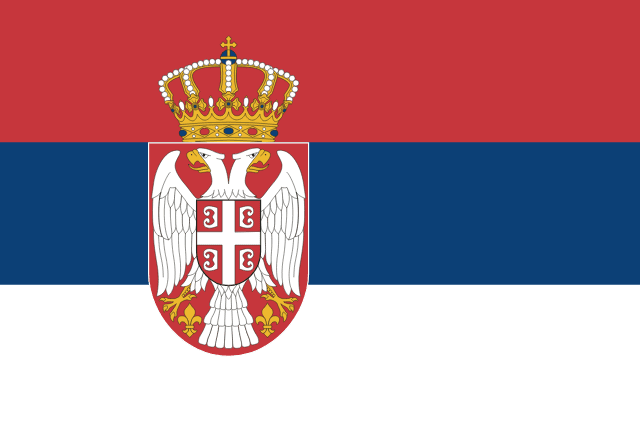 Serbia
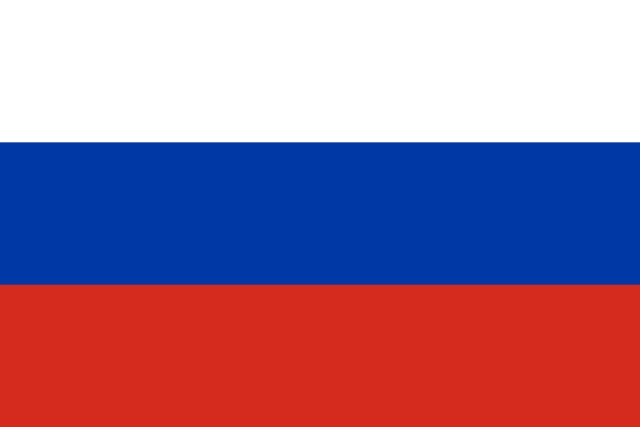
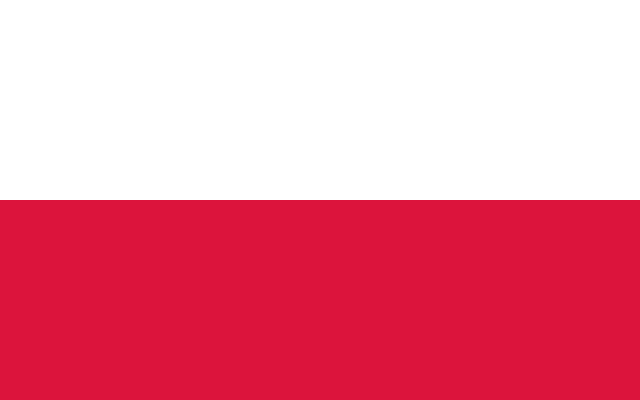
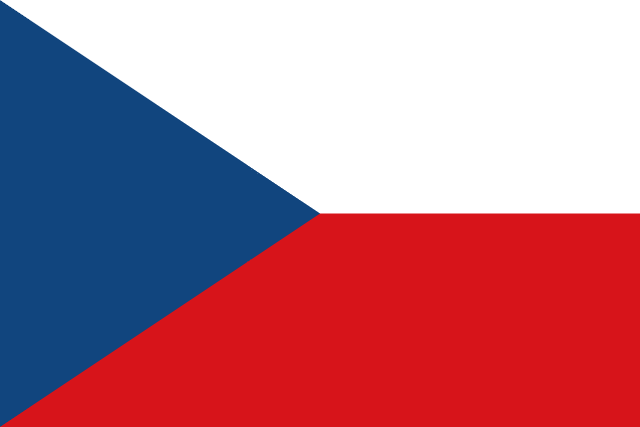
Russia uses a horizontal white, blue, and red tricolor. The design dates to the reign of Peter the Great, who adopted it from the Dutch tricolor after visiting the Netherlands. Poland uses a simple white and red horizontal bicolor. These colors come from the Polish coat of arms, a white eagle on a red field. The Czech Republic breaks the simple tricolor pattern: it uses a white and red horizontal bicolor with a blue triangle at the hoist, incorporating the blue from the Slovak colors to represent the union of Czech and Slovak lands before the separation in 1993.
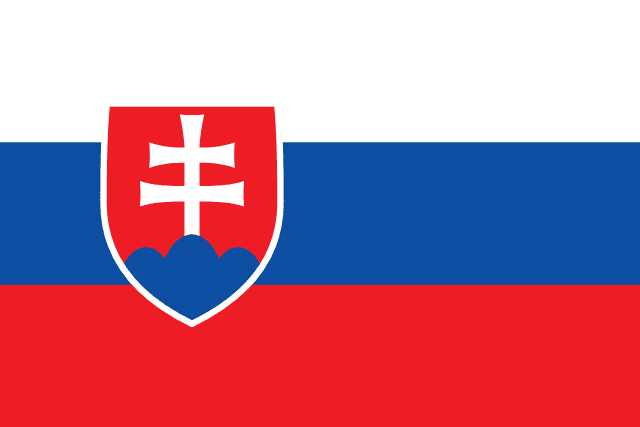
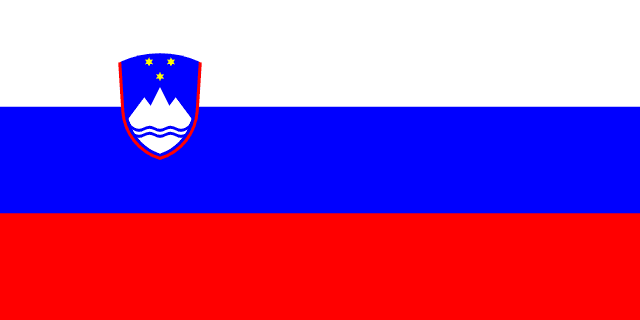
Slovakia uses a horizontal tricolor of white, blue, and red with a coat of arms on the left side featuring a white double cross on a blue and red shield. Slovenia uses an almost identical arrangement: white, blue, and red horizontal stripes with a coat of arms on the left showing Mount Triglav above blue wavy lines. Serbia reverses the order to red, blue, and white with a coat of arms featuring a double-headed eagle.
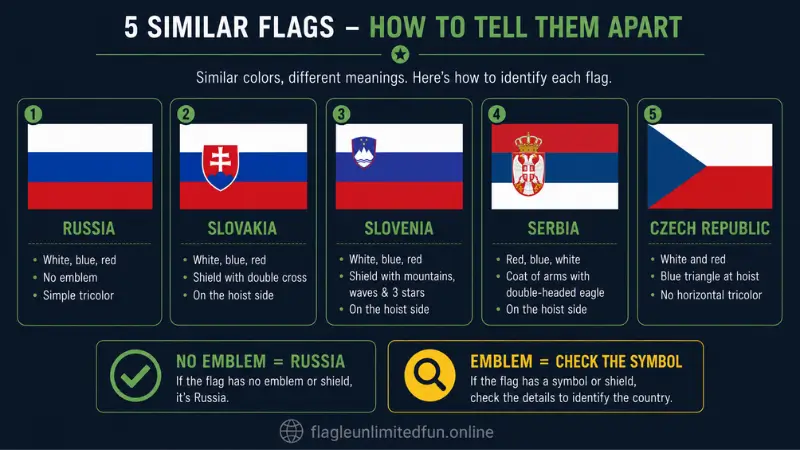
Recognition Tips for Eastern Europe
Russia has no coat of arms, just clean stripes. Slovakia and Slovenia both have coats of arms on the left side: Slovakia's shows a double cross, Slovenia's shows a mountain. Serbia reverses the stripe order to red-blue-white. The Czech Republic's blue triangle at the hoist is unique among this group. Poland uses only two colors with no emblem. For more on telling these flags apart, see our hardest flags guide.
Southern European Flags
Southern European flags show the most variety of any European sub-region. The Mediterranean coast includes flags from the Italian tricolor tradition, flags with complex coats of arms, and several designs that are completely distinctive and unlike anything else in Europe.
 Italy
Italy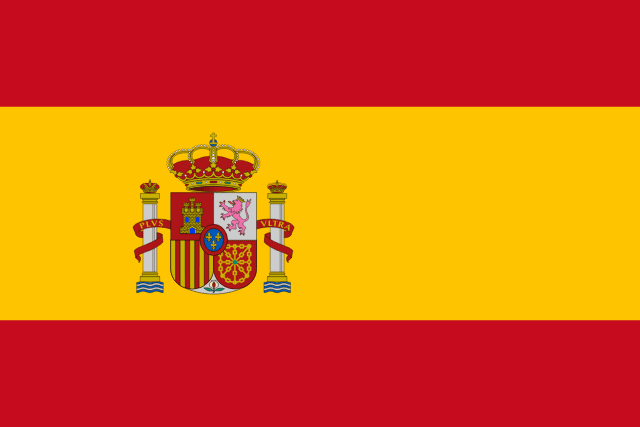 Spain
Spain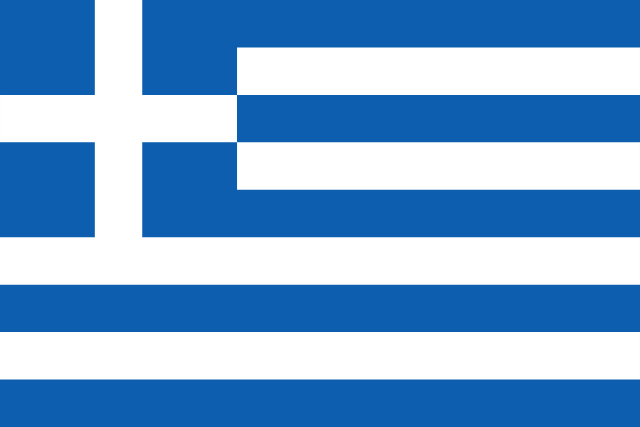 Greece
 Portugal
 Croatia
 Albania
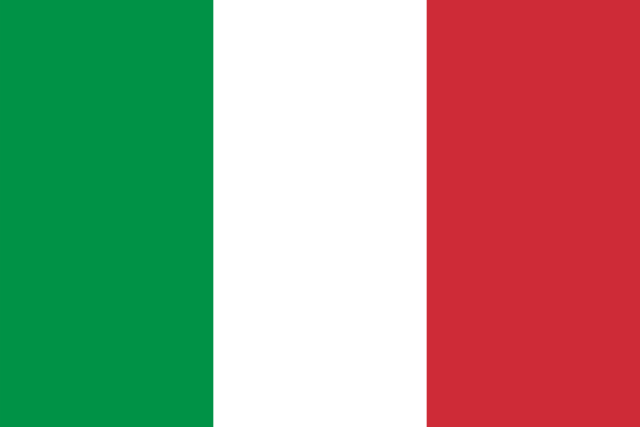
Italy uses a vertical green, white, and red tricolor. Napoleon Bonaparte introduced a tricolor to Italian troops during his Italian campaigns, and the Italian design, replacing French blue with green, became the symbol of the Italian unification movement. Spain uses a horizontal red-yellow-red tricolor with a coat of arms on the yellow stripe. The proportions are distinctive: the yellow stripe is twice the height of each red stripe, making Spain's flag easily recognized by its wide central band. Greece uses nine alternating blue and white horizontal stripes with a blue canton containing a white cross in the upper left. According to one tradition, the nine stripes represent the nine syllables of the Greek independence motto.
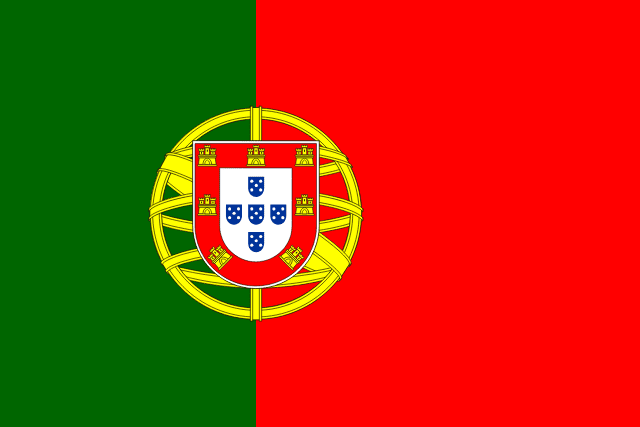
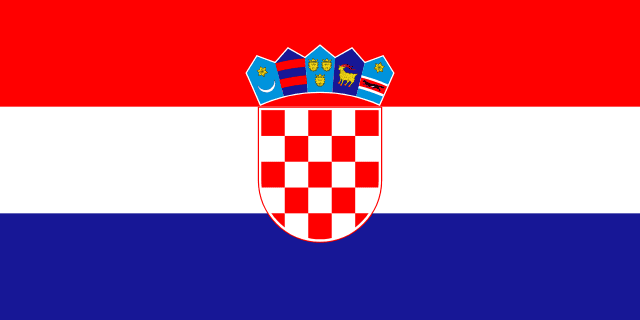
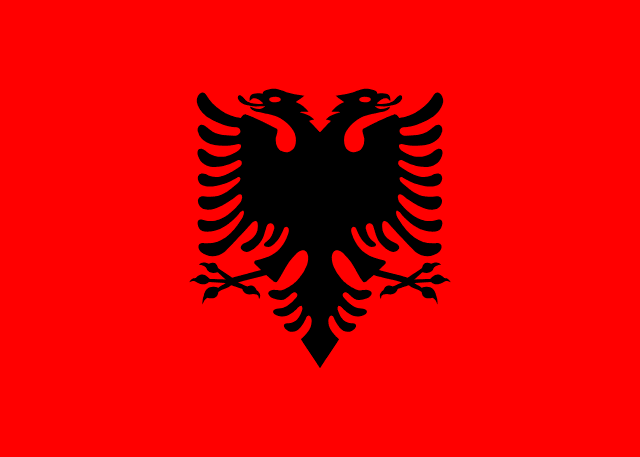
Portugal uses a vertical green and red bicolor with the Portuguese coat of arms on the dividing line between the two colors. The green represents hope and the future, the red represents the blood of those who died for the nation. Croatia uses the Pan-Slavic red, white, and blue horizontal tricolor with the Croatian checkerboard coat of arms at the center, one of the most recognizable national emblems in Europe. Albania uses a plain red field with a black double-headed eagle, the symbol of the medieval Albanian lord Gjergj Kastrioti Skanderbeg, who resisted Ottoman expansion. The double-headed eagle is one of the most ancient heraldic symbols in European tradition.
Recognition Tips for Southern Europe
Albania's black double-headed eagle on red is immediately distinctive. Greece's nine-stripe design with the blue canton is unique in Europe. Spain's wide yellow center stripe separates it from other red-yellow-red flags. Portugal's green-red split with a centered emblem is unlike any other European flag. Italy and Ireland both use vertical tricolors with green on the left: Italy has red on the right, Ireland has orange.
Microstates and Unusual Designs
Europe's microstates and smaller nations include some of the most unusual flag designs on the continent. Several of these flags appear regularly in Flagle and consistently trip up players who are not familiar with them.
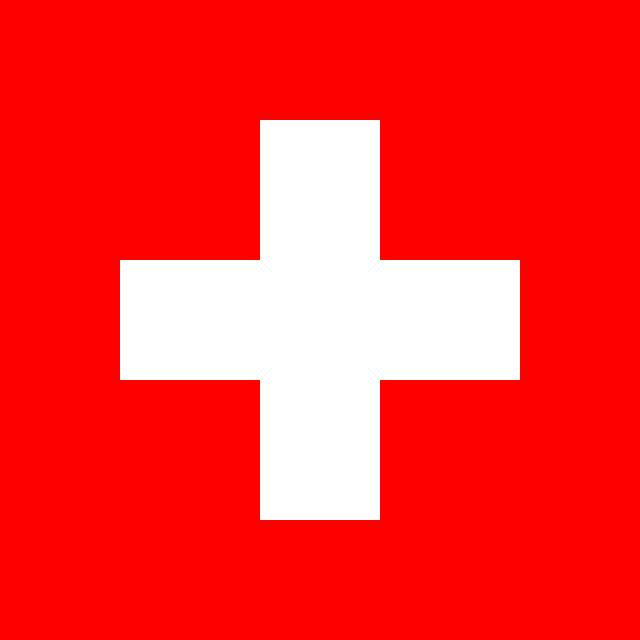 Switzerland
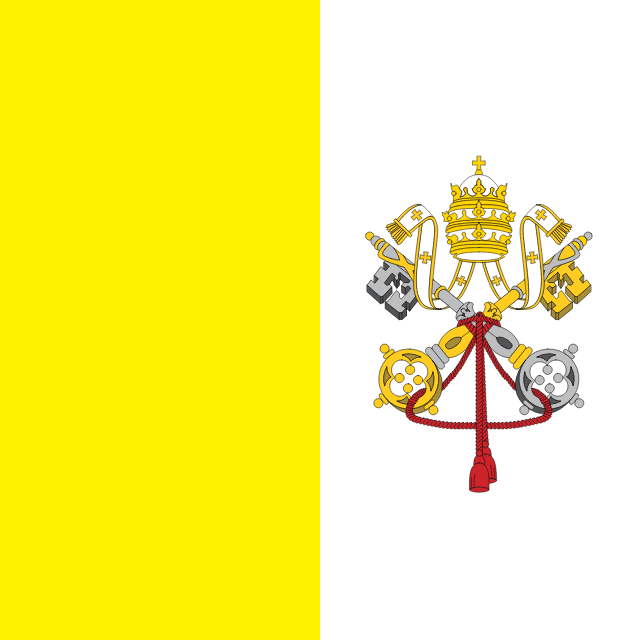 Vatican City
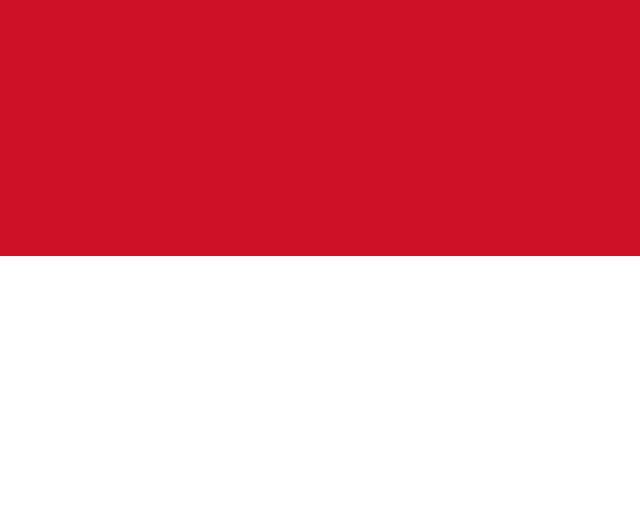 Monaco
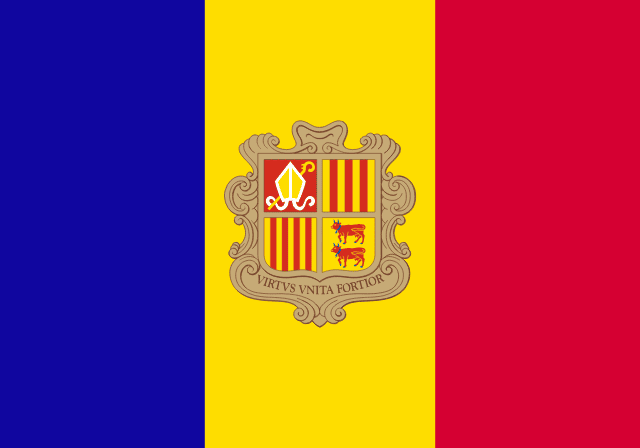 Andorra
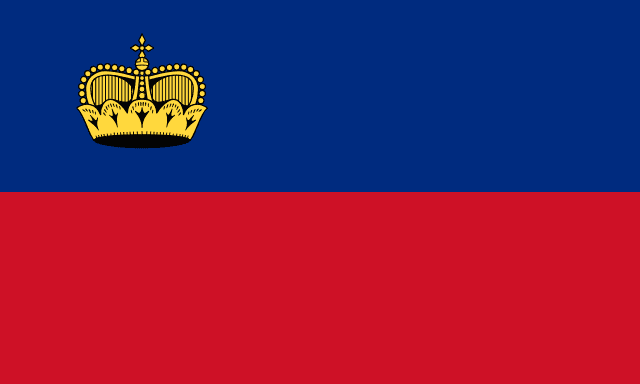 Liechtenstein
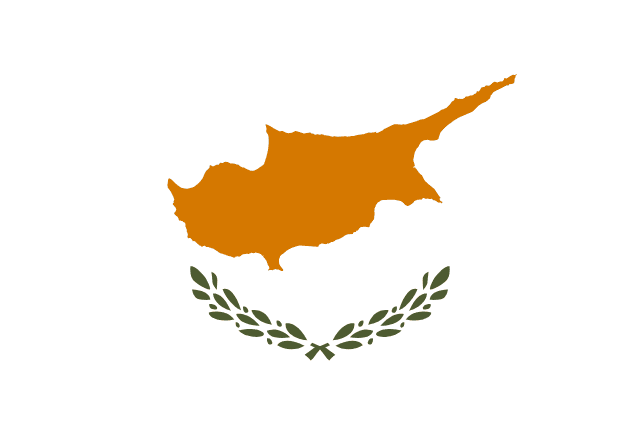 Cyprus
Switzerland uses one of only two square national flags in the world: a red field with a white cross. Vatican City uses the other square flag: a vertical yellow and white bicolor with the papal coat of arms. Monaco uses a simple red over white horizontal bicolor, nearly identical to Indonesia's flag. Andorra uses a vertical blue, yellow, and red tricolor with a coat of arms at the center. Liechtenstein uses a simple blue and red horizontal bicolor with a small golden crown in the upper left corner, added in 1937 after Liechtenstein discovered at the 1936 Olympics that its flag was identical to Haiti's. Cyprus has one of the most unusual flag designs in Europe: a white field with an orange map of the island and two green olive branches below it, making it one of the very few national flags to depict a map of the country itself.
How to Tell Similar European Flags Apart
Europe produces more commonly confused flag pairs than any other continent. Here is a breakdown of the most problematic ones for Flagle players.
Russia vs Slovakia vs Slovenia
All three use white, blue, and red horizontal stripes. Russia has no coat of arms. Slovakia has a coat of arms with a double cross on the left side. Slovenia has a coat of arms with a mountain on the left side. At small sizes the coats of arms are hard to read, but their presence versus absence is visible even when the details are not.
Italy vs Ireland vs Côte d'Ivoire
Italy is vertical green-white-red. Ireland is vertical green-white-orange. These look nearly identical except for the rightmost stripe. Côte d'Ivoire reverses Ireland's design entirely: orange-white-green. In Flagle, the distance indicator is the fastest tool for separating these three — Italy and Ireland are in Europe, Côte d'Ivoire is in West Africa.
Netherlands vs Luxembourg vs Russia
The Netherlands uses horizontal red, white, and blue. Luxembourg uses the same three colors but the red is a lighter shade and the blue is noticeably lighter. Russia uses white, blue, and red, which is a different order. At flag scale these differences can be subtle, but the color brightness of Luxembourg's blue is distinctive once you know to look for it.
Monaco vs Indonesia
Both are horizontal red over white bicolors. Monaco is in Western Europe, Indonesia is in Southeast Asia. There is no reliable visual distinction. Geographic reasoning from the distance indicator is the only reliable method. See our guide to why flags look similar for the full explanation.
Chad vs Romania
Both are vertical blue-yellow-red tricolors. The only official difference is a slightly darker shade of blue on Chad's flag. In practice this is invisible on most screens. Geographic reasoning: Chad is in Central Africa, Romania is in Eastern Europe. This pair cannot be resolved by visual inspection alone.
Flagle Strategy for European Flags
When the distance indicator places you in Europe, identify the design structure first. An offset cross means a Nordic country. Horizontal white-blue-red or red-blue-white means Eastern Europe. A vertical tricolor with green on one side means Italy or Ireland. A square flag means Switzerland or Vatican City. After identifying the design family, look for any coat of arms or emblem, which almost always identifies the specific country. If no emblem is visible and the flag is a plain tricolor, use the direction from your geographic probe to narrow the sub-region. Read our distance indicator guide for the full method and use the Daily Challenge to practice identifying European flags under pressure.
European Flags in Flagle
Europe is the continent where design family recognition pays off most. A player who can immediately identify "Nordic cross" or "Pan-Slavic tricolor" has already reduced 44 possible flags to a group of five or six. The specific country within that group is then resolved by color combinations, coat of arms placement, or geographic data from the distance indicator.
The hardest European flags for most players are the Pan-Slavic tricolors, particularly Slovakia and Slovenia, and the pairs like Ireland and Côte d'Ivoire or Monaco and Indonesia that require geographic data rather than visual recognition alone. For the Slovak and Slovenian pair, the coat of arms is the visual anchor: mount versus cross. For the geographic pairs, no amount of visual study helps. What helps is understanding that the distance indicator makes these pairs trivially easy — one guess in the right direction, and the ambiguity collapses.
Study European flags as design families first, then learn the individual distinguishing details within each family. This approach is significantly faster than trying to memorize 44 flags individually. The flag reference page lets you browse all flags and compare similar ones side by side. Combined with the strategy in our improvement guide, design family recognition can make Europe one of your strongest continents rather than one of your most frustrating ones.