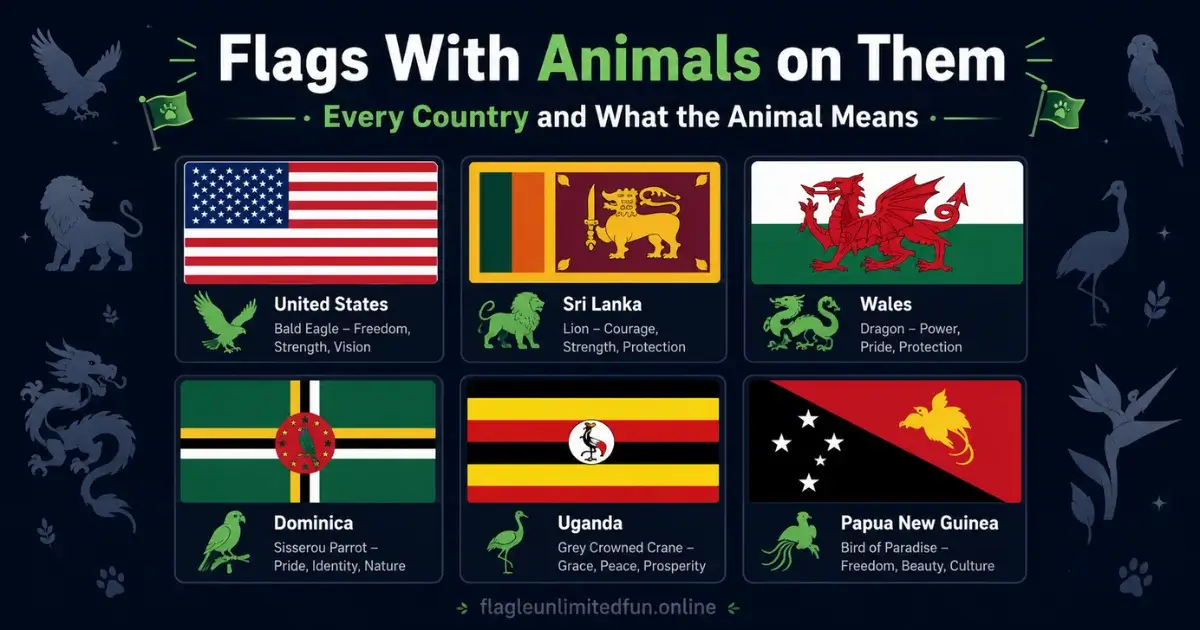
Animals have appeared on flags for as long as flags have existed. Before countries had written constitutions or national anthems, they had banners carrying the symbols of their rulers, and those symbols were almost always animals. Eagles for imperial power. Lions for royal courage. Dragons for supernatural protection. The tradition runs so deep through human history that today more than 60 national flags feature animals in some form.
This guide covers the most significant animal flags in the world, explains what each animal represents and why it was chosen, and gives tips for recognizing them in Flagle Unlimited. Animal flags are actually some of the easiest to identify once you know what to look for, because no two flags feature exactly the same animal in the same way.
How Many Flags Feature Animals?
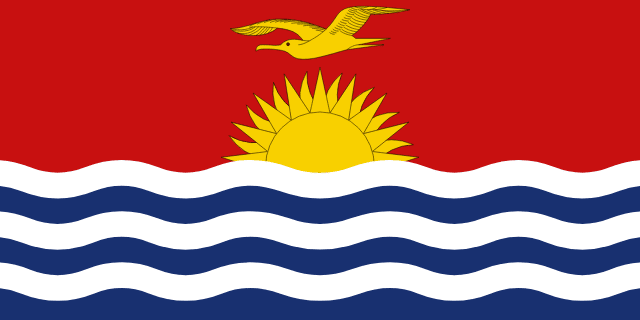
More than 60 of the world's 195 national flags include at least one animal. Eagles and lions are the most common, appearing on dozens of flags in various forms. Birds appear more frequently than any other animal category. Some animals appear on only a single flag in the world, making them instant identifiers — the dragon on Bhutan, the quetzal on Guatemala, the crowned crane on Uganda, and the frigate bird on Kiribati are all unique to their country's flag.
Table of Contents
- Eagles — The Most Common Flag Animal
- Lions — The Royal Animal
- Dragons — Power and Protection
- Unique Birds on Flags
- Other Animals on Flags
- How to Use Animals to Identify Flags in Flagle
Eagles — The Most Common Flag Animal
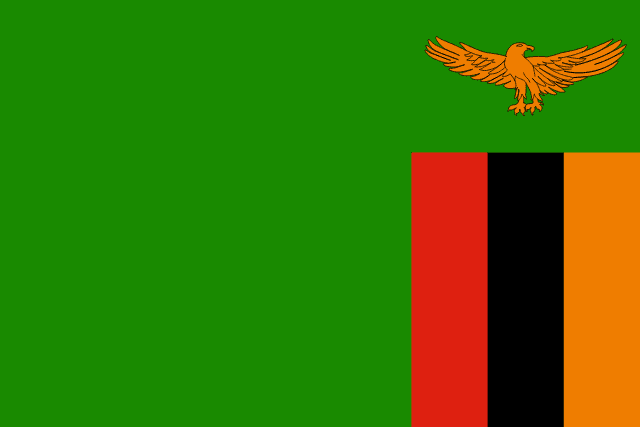
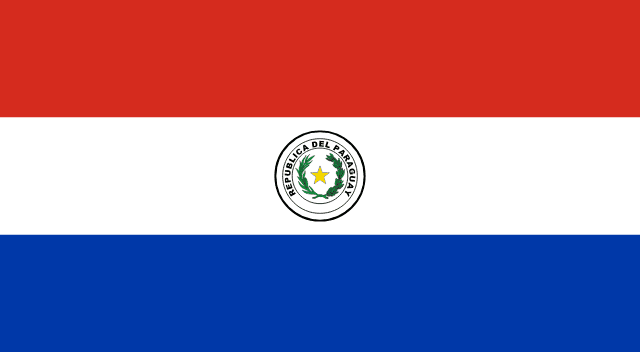
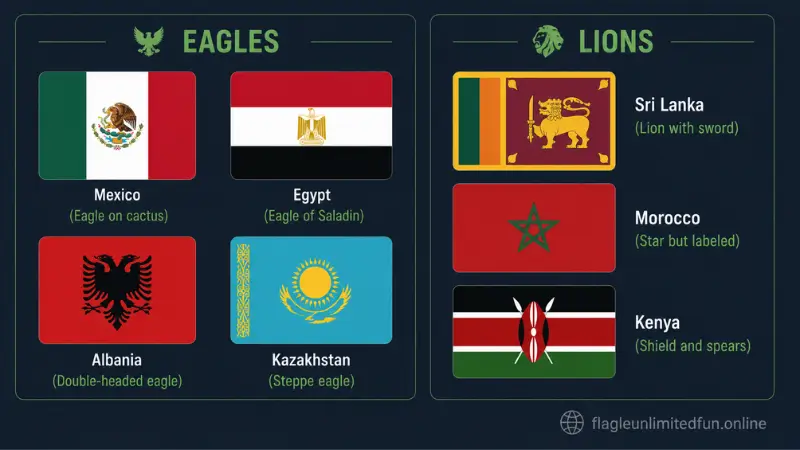
The eagle is the single most common animal on national flags. It appears on the flags of Mexico, Egypt, Albania, Moldova, Zambia, and many others, though the style and meaning vary enormously between them. The eagle's dominance on flags traces back to the Roman Empire, which used the eagle as its primary military symbol. As European powers that considered themselves heirs to Roman tradition built their own states, the eagle came with them. Through heraldry and colonial spread, the symbol reached nearly every continent.
 Mexico
 Egypt
Egypt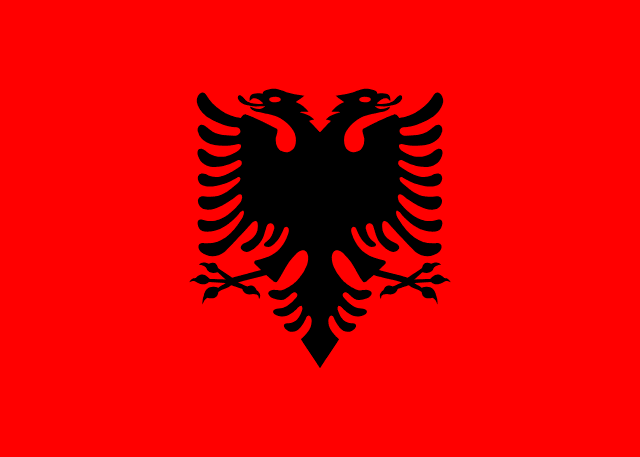 Albania
 Zambia
 Paraguay
 Kazakhstan
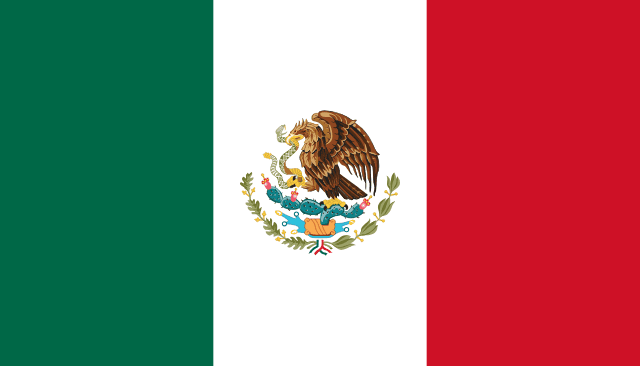
Mexico features one of the most storied eagles in flag history. The design comes from an Aztec legend: the gods told the Aztec people to build their capital city where they found an eagle perched on a cactus and devouring a snake. They found the eagle on an island in Lake Texcoco, and there they built Tenochtitlan, now Mexico City. The eagle on Mexico's flag carries this founding myth, making it one of the few flag animals that refers directly to a specific moment in a nation's history.
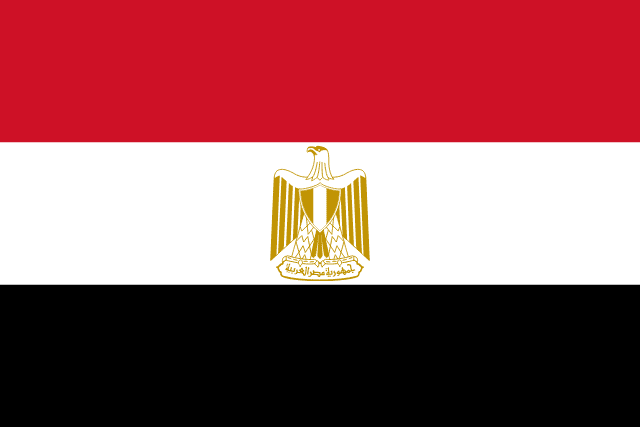
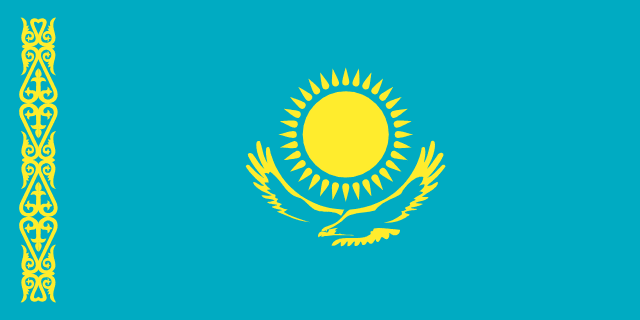
Egypt features the Eagle of Saladin, named for the 12th century Muslim leader who united Egypt and Syria against the Crusades. The eagle holds a scroll with Egypt's name in Arabic. Albania uses a black double-headed eagle on red, a design associated with the medieval Albanian hero Gjergj Kastrioti Skanderbeg and drawn from Byzantine imperial heraldry. The double-headed eagle faces both east and west, symbolizing the meeting of two worlds. Kazakhstan features a golden steppe eagle in flight beneath the sun, representing freedom and the vast open landscape of the Central Asian steppes.
Eagle Flags in Flagle
Eagle flags are usually identifiable because the eagle is prominent enough to be visible in the revealed puzzle tiles. Mexico's eagle is particularly distinctive because it shows the full scene: eagle, cactus, serpent, and lake. Egypt's eagle is gold on the white stripe of a red-white-black horizontal tricolor. Albania's eagle is immediately recognizable: a black double-headed eagle on a plain red field with nothing else.
Lions — The Royal Animal
The lion is the second most common animal on flags, appearing in various forms across Europe, Asia, and Africa. In European heraldic tradition, the lion represents courage, nobility, and royalty. In South Asian traditions, it carries additional meanings related to protection, justice, and Buddhist symbolism. In Africa, the lion represents strength, leadership, and the power of the natural world.
 Sri Lanka
 Kenya
Kenya Ethiopia
 Morocco
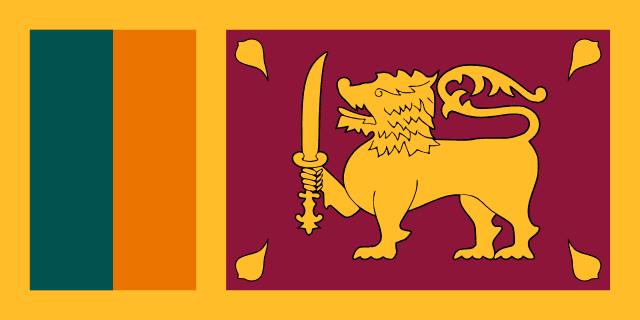
Sri Lanka carries one of the most iconic lion flags in the world: a golden lion holding a sword on a dark maroon background. The lion is known as the Sinha, the symbol of the Sinhalese people, and has been a royal symbol of Sri Lanka for over two millennia. The sword in the lion's right forepaw represents the sovereignty of the nation. In each corner of the flag, orange and green stripes represent the Tamil and Muslim minorities. Sri Lanka's lion flag is one of the most commonly misidentified flags in Flagle — its unusual maroon color and the complexity of the lion design make it hard to place without prior exposure. Read more about why in our hardest flags guide.
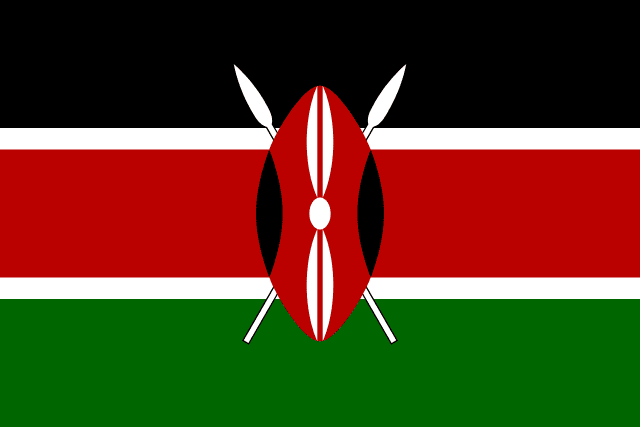
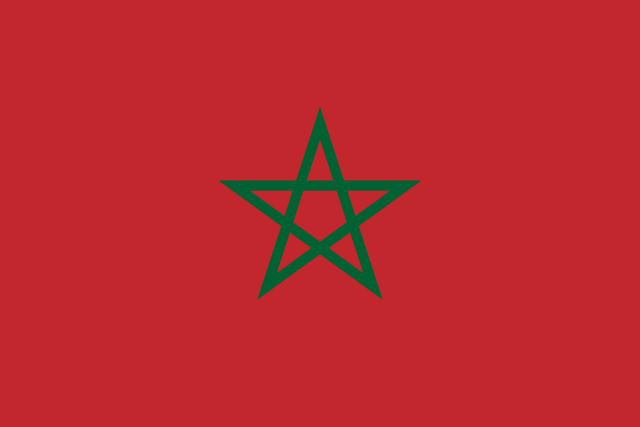
Lions also appear in the coat of arms sections of many European flags, including England's three golden lions on the British royal standard, and in numerous African flags where the lion represents the strength of the land and people. Kenya's flag does not feature a lion directly but includes a Maasai warrior's shield and two crossed spears, symbols of the Kenyan people's courage and strength that carry the same heraldic weight as a lion in the European tradition.
Dragons — Power and Protection
 Bhutan
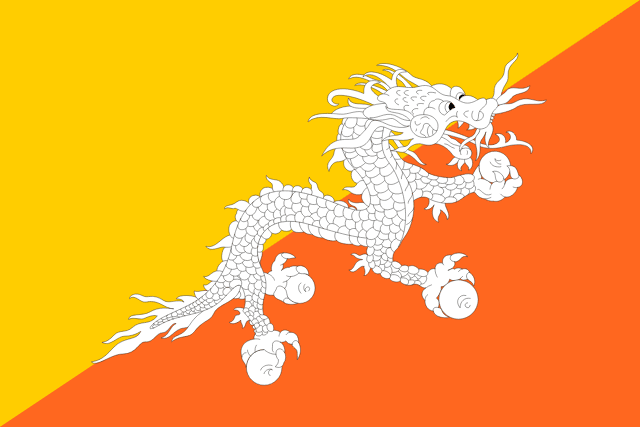
Only one national flag in the world features a dragon: Bhutan. The Druk, or Thunder Dragon, runs across the center of Bhutan's diagonally divided orange and yellow flag, clutching jewels in its claws. The dragon is the national symbol of Bhutan and gives the country one of its names: Druk Yul, the Land of the Thunder Dragon. The dragon's white color represents purity. The jewels represent the wealth and security of the Bhutanese people. The snarling mouth represents Bhutan's willingness to defend itself against enemies.
No other national flag uses a dragon of any kind. Wales uses a dragon on its national flag, but Wales is not a sovereign state. Bhutan's monopoly on the dragon makes it one of the fastest flags to identify in Flagle: if you see a large detailed animal across a diagonally divided field, it is Bhutan. No other flag comes close to this description. For more on Bhutan's flag, read our most unique flags guide.
Unique Birds on Flags
Birds appear on national flags more than any other category of animal. While eagles dominate the category by number, several flags feature birds found nowhere else in the world, making them some of the most distinctive animal flags in existence.
 Uganda
 Dominica
 Kiribati
 Papua New Guinea
 Zimbabwe
 Fiji
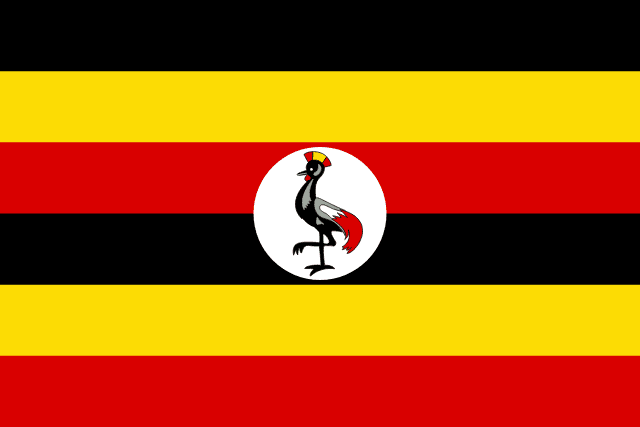
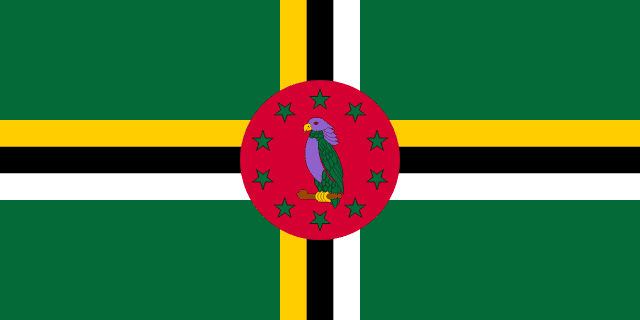
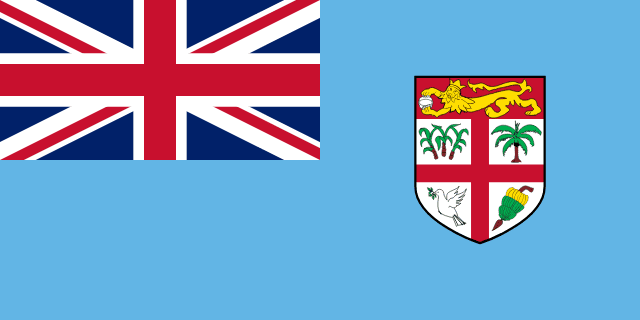
FijiUganda features the grey crowned crane in a white circle at the center of its six horizontal stripes. The crowned crane is found across sub-Saharan Africa but has been Uganda's national symbol since before independence. It represents elegance, grace, and the country's rich natural environment. Dominica features the Sisserou parrot, the Imperial Amazon, which is found only on the island of Dominica. The parrot's purple plumage makes Dominica's flag one of the very few national flags to feature purple. Kiribati shows a frigate bird in flight above rising ocean waves. The frigate bird is known locally as a guide for fishermen at sea, symbolizing strength and freedom.
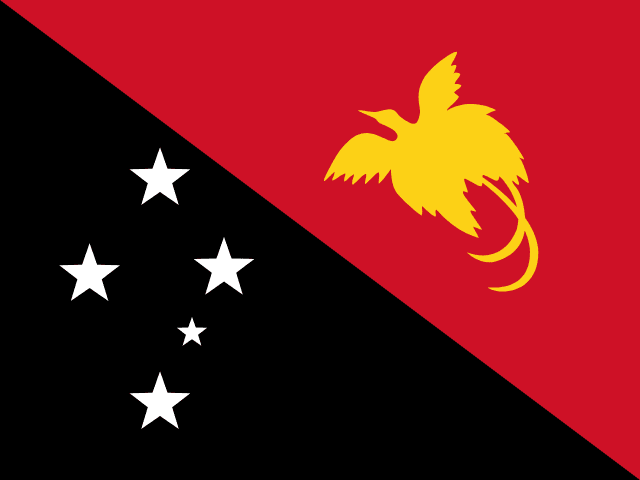
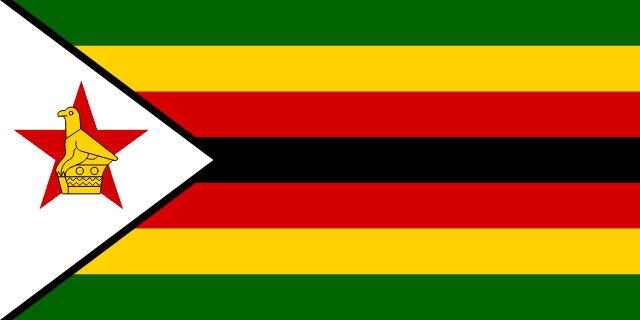
Papua New Guinea features the Raggiana bird-of-paradise on its red and black diagonal flag. The bird-of-paradise is found only in New Guinea and northeastern Australia, and its spectacular plumage has made it a symbol of the natural wealth and uniqueness of Papua New Guinea. Zimbabwe features the Zimbabwe Bird, based on a soapstone carving found at the ruins of Great Zimbabwe, a medieval stone city that was the capital of the Kingdom of Zimbabwe. The bird represents the connection between the modern nation and its pre-colonial history.
Other Animals on Flags
Beyond eagles, lions, dragons, and birds, a diverse range of animals appears on national flags, each chosen for specific cultural, historical, or ecological reasons.
 Belize
 Spain
Spain Serbia
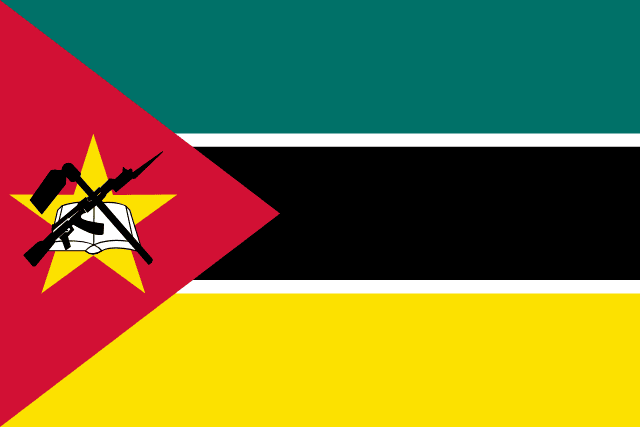 Mozambique
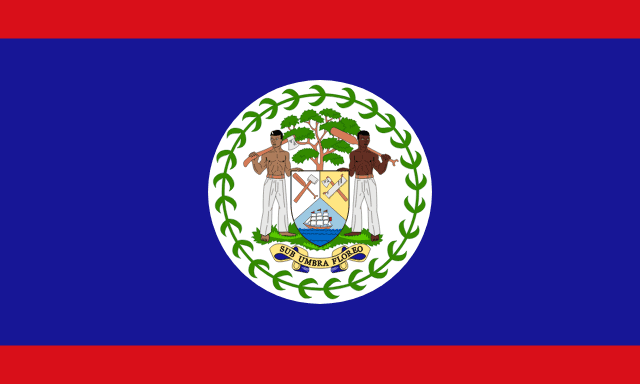
Belize features a mahogany tree and a sailing ship in its coat of arms, but also includes two human figures whose tools reference the logging industry. More unusually, the shield within the coat of arms contains a felled mahogany tree being worked, representing the environmental and economic foundation of the nation. Mexico's serpent is as important as its eagle — the snake being devoured by the eagle is not a symbol of evil but a specific reference to the Aztec founding legend. In this story, the serpent is a worthy opponent for the eagle, not simply prey. Sri Lanka's lion holding a sword is one of the most symbolically loaded animal images on any flag. Every detail carries meaning: the position of the paws, the sword, the leaves surrounding the figure, and the color of the lion are all prescribed by specific symbolic intent.

How to Use Animals to Identify Flags in Flagle
Animal flags are among the easiest flags to identify in Flagle once you know what you are looking for, because animals are distinctive visual elements that remain recognizable even in partial reveals. Here is how to use them effectively.
Single Animal on a Plain Background
These are the fastest to identify. Albania is a black double-headed eagle on plain red. Bhutan is a white dragon on diagonal orange and yellow. Kenya has a Maasai shield and spears on black-red-green stripes. When you see a clear animal shape against a simple background, you are dealing with a flag where the animal is the primary identifier rather than a supporting element.
Animals in Coat of Arms
Many flags feature animals inside a coat of arms rather than directly on the field. At standard flag sizes, these can be difficult to distinguish. Mexico's eagle is an exception because it is large and detailed enough to be visible. Egypt's Eagle of Saladin is gold against the white stripe and usually visible. For flags where the animal appears only in a small coat of arms, the background colors and stripe arrangement are more useful for identification than the animal itself.
Birds as Regional Signals
Unusual birds almost always indicate specific regions. A bird-of-paradise means Papua New Guinea or the New Guinea region. A frigate bird means the Pacific islands. A crowned crane means East Africa, specifically Uganda. A Sisserou parrot means Dominica in the Caribbean. If you see a bird that looks exotic or tropical in the flag tiles, use the distance indicator to confirm the region, then narrow to the specific country based on the surrounding flag design.
When the Animal Is the Only Distinguisher
Some flags are identical in color and layout except for their central animal. If you have narrowed a flag to a coat-of-arms family and cannot read the specific emblem, your best move is a geographic probe. Use a strategically chosen first guess to generate distance data, then use that data to confirm the region. Our starting countries guide explains which geographic probes give the most useful data for narrowing down animal flags specifically.
Animal Flags That Are Instant Wins
Memorize these animal-flag associations and you will never lose a guess on them: Bhutan has the only dragon. Dominica has the only purple-feathered parrot. Uganda has the crowned crane. Zimbabwe has the Zimbabwe Bird (looks like a stylized heron). Kiribati has the frigate bird in flight over ocean waves. Mexico has the eagle-serpent-cactus scene. Albania has the black double-headed eagle. Once these are locked in, each one is an automatic point rather than a guess. Practice them on the Daily Challenge and check the flag reference page to study the animal details at full size.