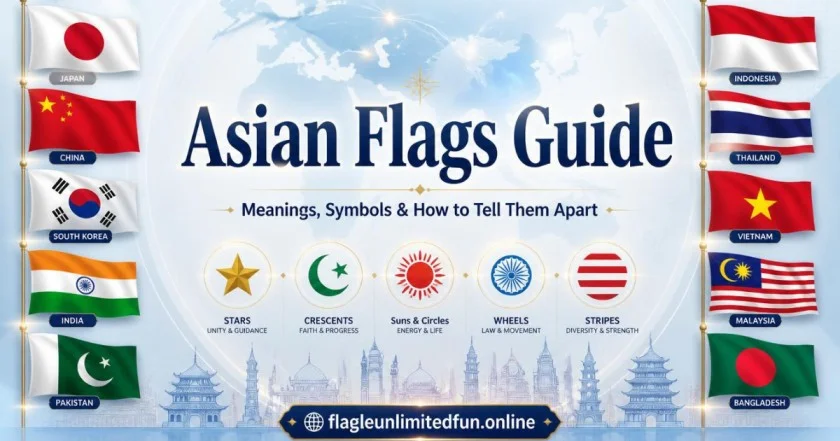
Asia covers nearly a third of Earth's total land area and is home to more than four billion people. Its flags reflect this diversity. You will find Buddhist symbolism in Southeast Asia, Islamic calligraphy in the Middle East, nomadic heritage in Central Asia, and ancient imperial traditions in East Asia. All of this is expressed through color, shape, and symbol.
This guide walks through each region, explains what the symbols actually mean, and gives you practical tips for telling similar flags apart, which is especially useful if you play Flagle Unlimited.
🌟 Did You Know?
Nepal is the only country in the world whose national flag is not a rectangle or square. Its distinctive double-pennon shape has been in use for centuries, representing the peaks of the Himalayas.
Table of Contents
- East Asian Flags
- Southeast Asian Flags
- South Asian Flags
- Central Asian Flags
- West Asian Flags (Middle East)
- How to Tell Similar Asian Flags Apart
- Conclusion
East Asian Flags
East Asian flags tend to be clean, bold, and geometrically precise. The design traditions of this region draw on Confucianism, Taoism, and Buddhism, as well as centuries of imperial and revolutionary history.
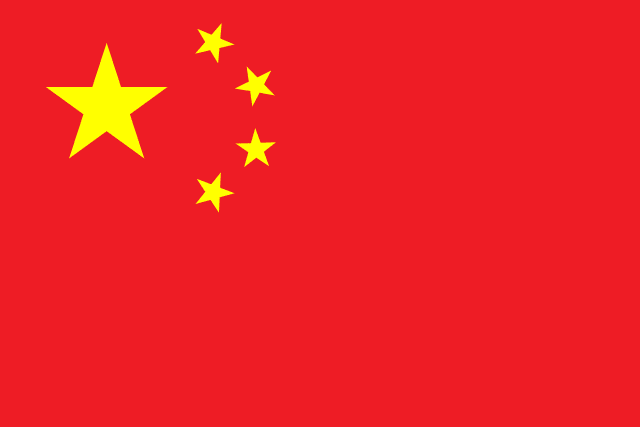 China
China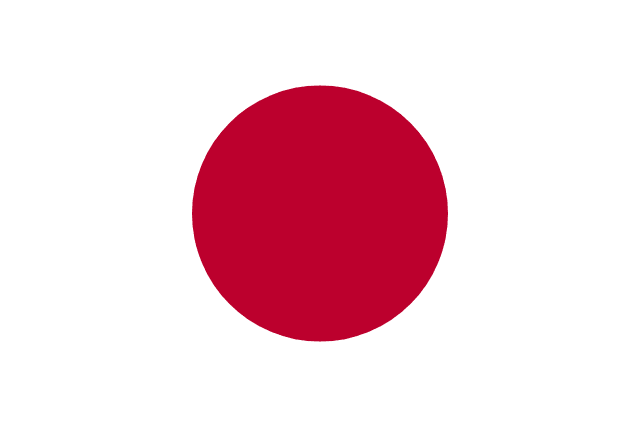 Japan
Japan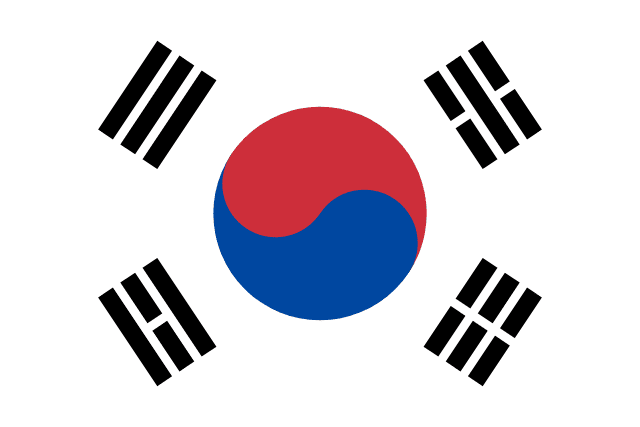 South Korea
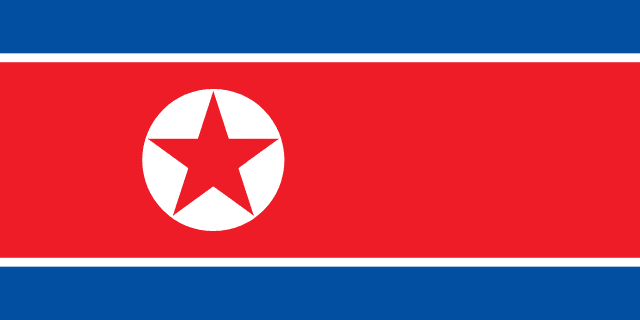 North Korea
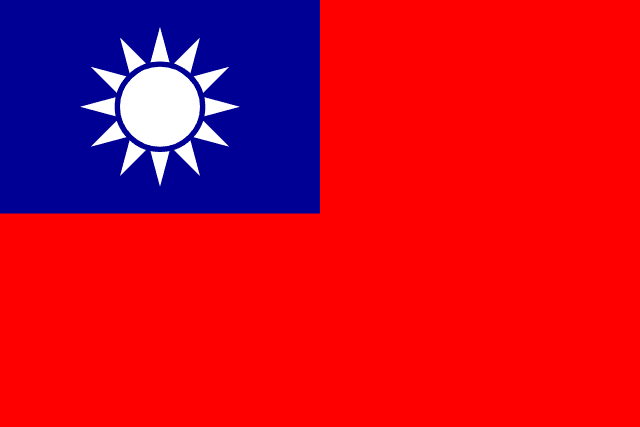 Taiwan
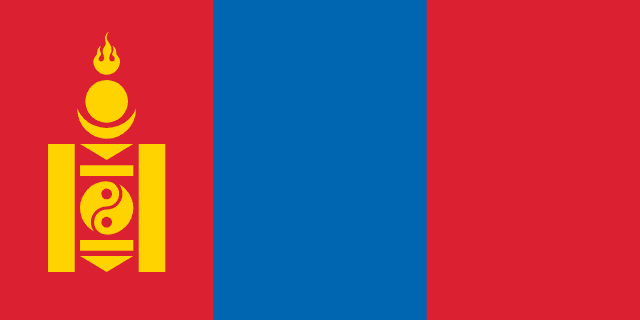 Mongolia
Key Symbols in East Asian Flags
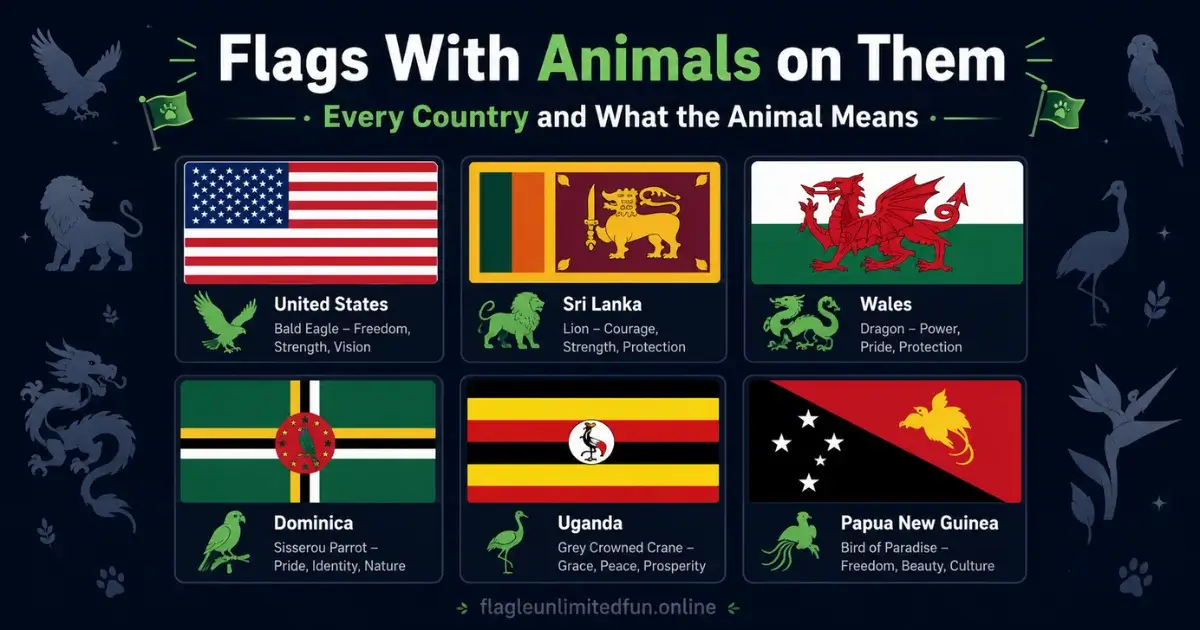
China uses a red field with one large golden star and four smaller ones. The red represents the Communist revolution, the large star the Communist Party, and the four smaller stars the classes of people united under its leadership. Japan keeps things simple: a red circle on white, representing the rising sun. The flag is called the Hinomaru, meaning "circle of the sun." South Korea features a red and blue yin-yang symbol at center, surrounded by four trigrams from the I Ching representing heaven, water, earth, and fire. Mongolia includes the Soyombo symbol on its left stripe, a complex emblem encoding fire, sun, moon, earth, water, and the yin-yang concept in a single vertical design.
Recognition Tips for East Asia
China and Vietnam both use red flags with yellow stars. China has five stars and Vietnam has one large central star. South Korea is instantly recognizable by its white background and circular symbol. Mongolia is the only flag with the Soyombo, so once you have seen it, you will never mistake it.
Southeast Asian Flags
Southeast Asia is one of the most religiously diverse regions on Earth. Its flags reflect Buddhism in Thailand, Cambodia, and Myanmar; Islam in Malaysia and Indonesia; Christianity in the Philippines; and secular nationalism in Vietnam and Singapore.
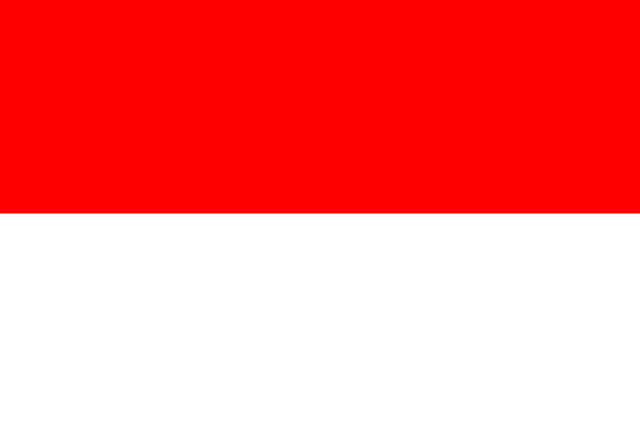 Indonesia
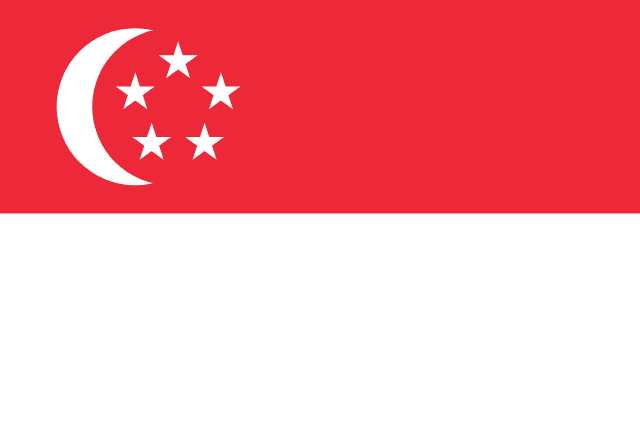 Singapore
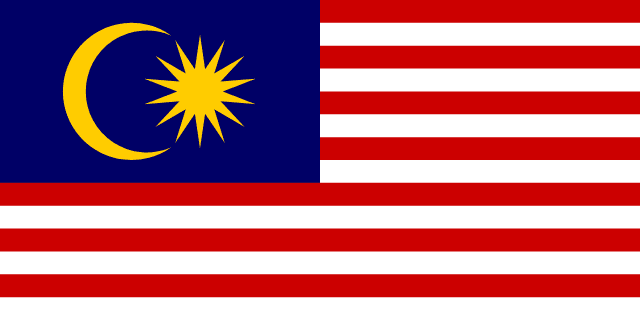 Malaysia
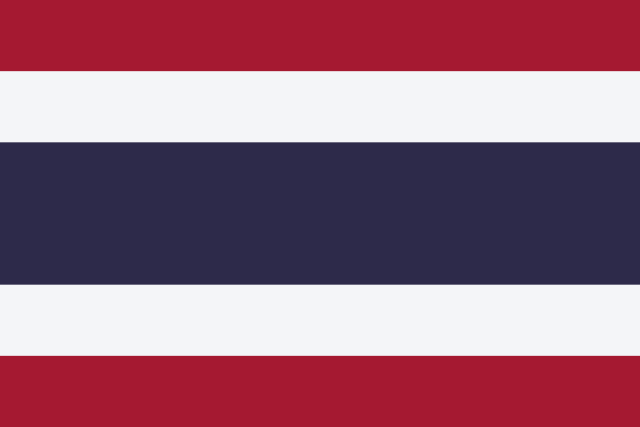 Thailand
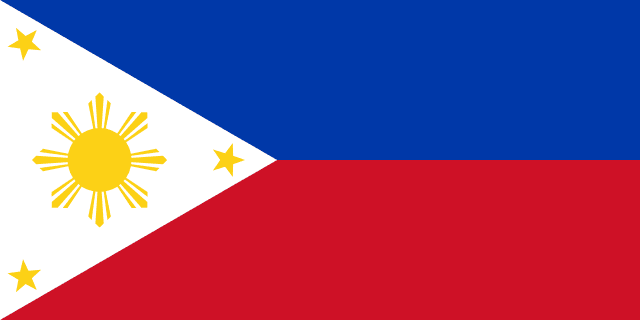 Philippines
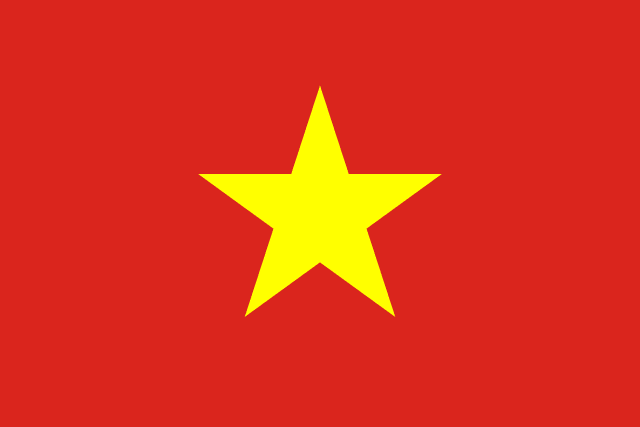 Vietnam
Key Symbols in Southeast Asian Flags
Indonesia uses a horizontal red and white bicolor. Red represents courage, white represents purity. It is nearly identical to the flag of Monaco, which causes persistent confusion in flag games. The practical difference is that Indonesia is wider relative to its height. Singapore places a white crescent moon and five white stars on red over white. The crescent represents a young nation rising, and the five stars stand for democracy, peace, progress, justice, and equality. Thailand uses five horizontal stripes: red, white, blue, white, red. The red stands for the nation and its people, white for religion, and blue for the monarchy.
Recognition Tips for Southeast Asia
Malaysia looks similar to the United States flag at a glance. Both use red and white stripes, but Malaysia has a yellow crescent and star on a blue canton. The Philippines flag is unique because it is flipped upside down during wartime, with the red stripe on top instead of blue. If you see a plain red flag with one yellow star in Asia, that is Vietnam. For more on visually similar flags, read our guide on the hardest flags to identify.
South Asian Flags
South Asian flags are among the most symbolically rich in the world. This region gave birth to Hinduism, Buddhism, Sikhism, and Jainism, and has a large Muslim population. All of these traditions leave clear marks on the flags of the region.
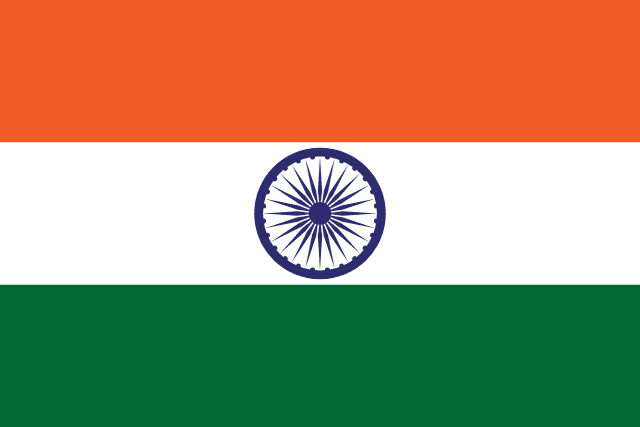 India
India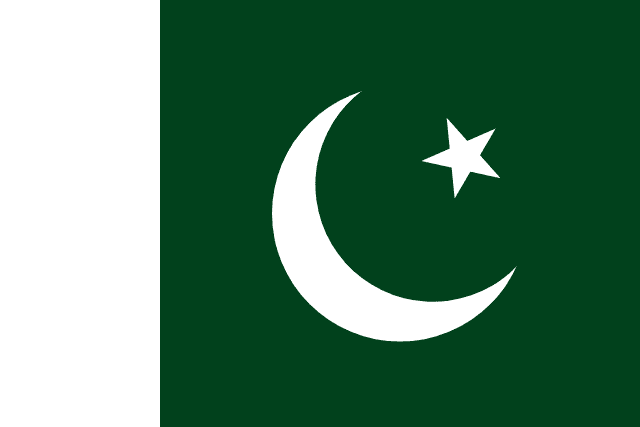 Pakistan
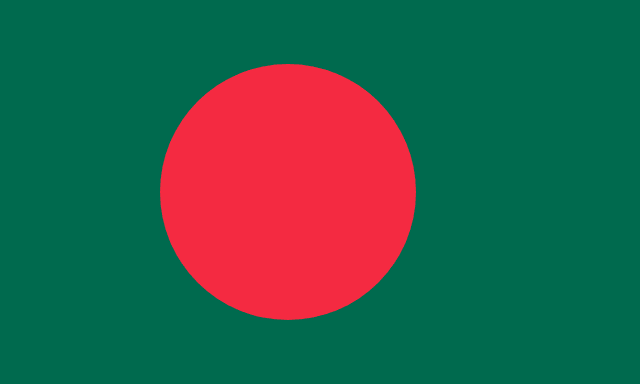 Bangladesh
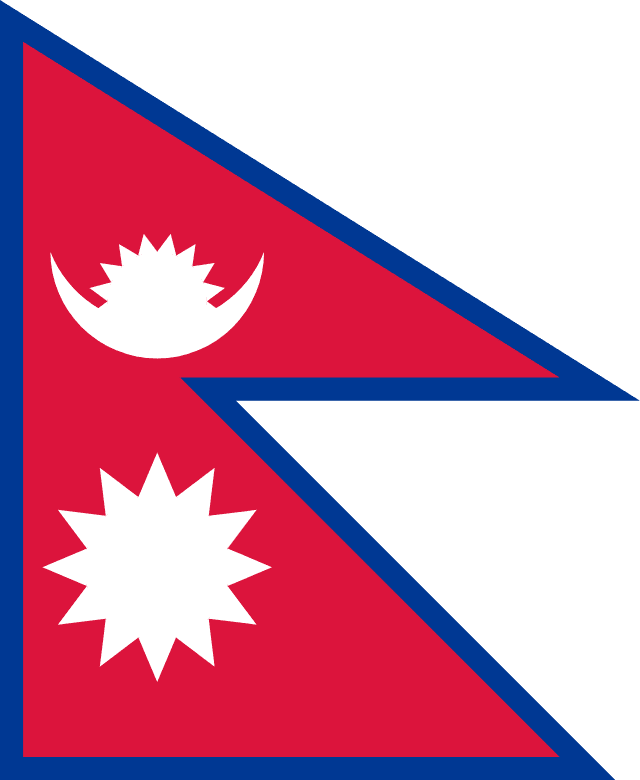 Nepal
Nepal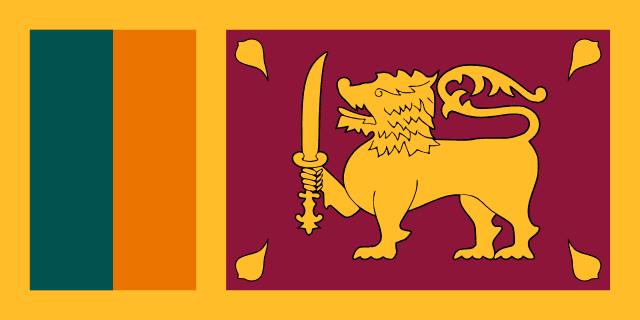 Sri Lanka
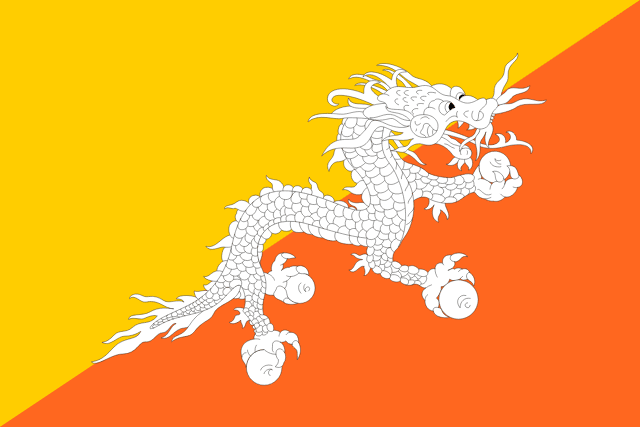 Bhutan
Key Symbols in South Asian Flags
India uses three horizontal stripes: saffron for courage and sacrifice, white for peace and truth, and green for faith and chivalry. At the center sits the Ashoka Chakra, a 24-spoked navy blue wheel representing the eternal wheel of law. Pakistan uses a dark green field with a white crescent and star, plus a vertical white stripe on the hoist side representing non-Muslim minorities. Bhutan is divided diagonally into orange and yellow, with a white Thunder Dragon running across the center. No other national flag in the world features a dragon.
Recognition Tips for South Asia
Bhutan is unmistakable: dragon on diagonal background, nothing else looks like it. Nepal is the only non-rectangular flag in the world. Bangladesh is a green field with a red circle, similar to Japan but green instead of white. Sri Lanka has a lion holding a sword on a maroon background, which is also unique once you have seen it. For a complete breakdown of the flags that trip people up most, see our hardest flags guide.
Central Asian Flags
The five Central Asian republics all gained independence from the Soviet Union in 1991 and have since developed flags that reflect their nomadic heritage, Islamic faith, and natural landscapes. Sky blue appears on several of them, representing the vast open steppe.
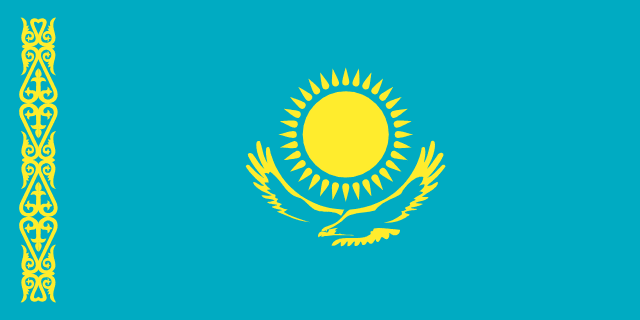 Kazakhstan
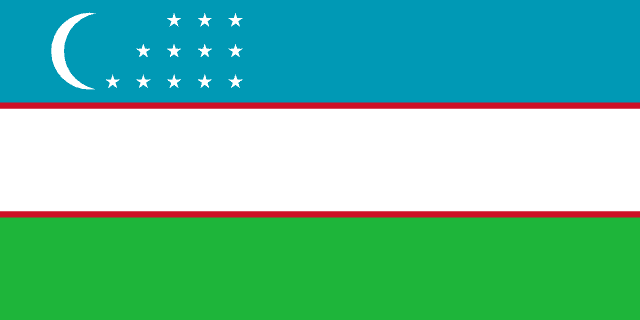 Uzbekistan
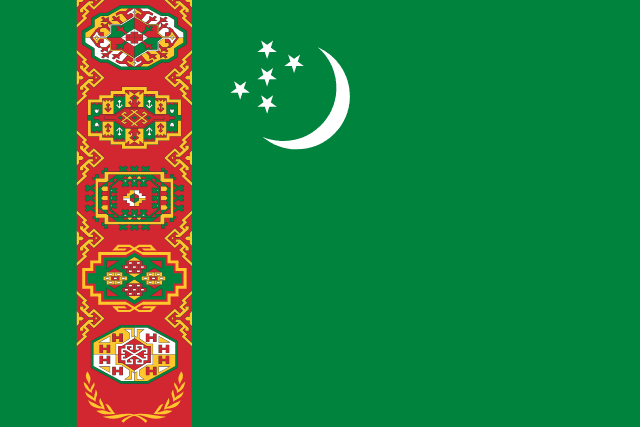 Turkmenistan
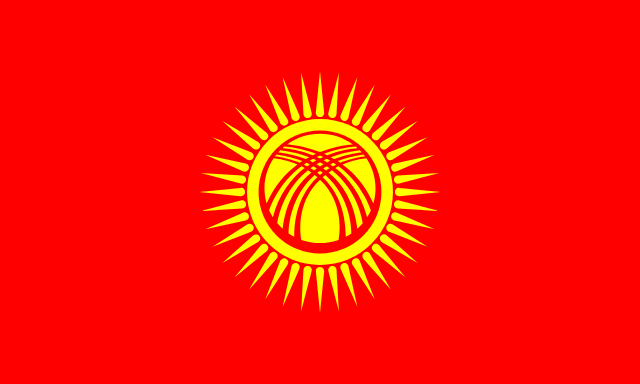 Kyrgyzstan
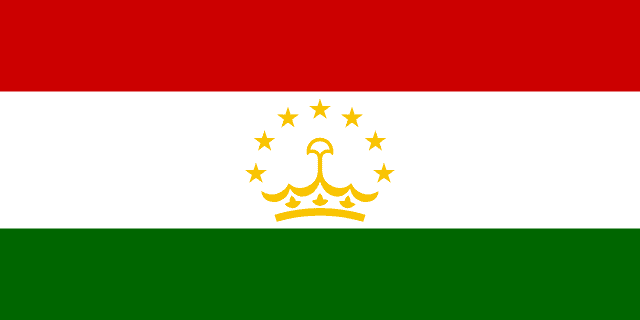 Tajikistan
Key Symbols in Central Asian Flags
Kazakhstan uses a bright sky blue field with a golden sun and a soaring steppe eagle. On the left runs a vertical band of traditional ornamental patterns called "koshkar-muiz," representing the horns of a ram. Kyrgyzstan features a red field with a yellow sun. Inside the sun is a stylized tunduk, the circular crown of a traditional yurt. The 40 rays represent the 40 tribes united by the legendary hero Manas. Turkmenistan is widely considered the most complex national flag in the world. Its green field carries a vertical stripe near the hoist with five intricate carpet guls, each representing one of the country's major tribes.
Recognition Tips for Central Asia
The easiest anchor in this region is Turkmenistan, because the carpet pattern stripe on the left is completely unique. Kazakhstan is the only pure sky blue flag with an eagle. Kyrgyzstan is the only red flag with a circular geometric sun pattern inside it. These three anchor points make the rest of the region easier to navigate. Combining the distance indicator with flag recognition is the fastest way to solve Central Asian puzzles in Flagle.
West Asian Flags (Middle East)
West Asian flags are dominated by Islamic symbolism and the Pan-Arab color palette of red, black, white, and green. These four colors appear together on the flags of Iraq, Jordan, Kuwait, the UAE, Sudan, and several others, which creates genuine confusion for people learning flags for the first time.
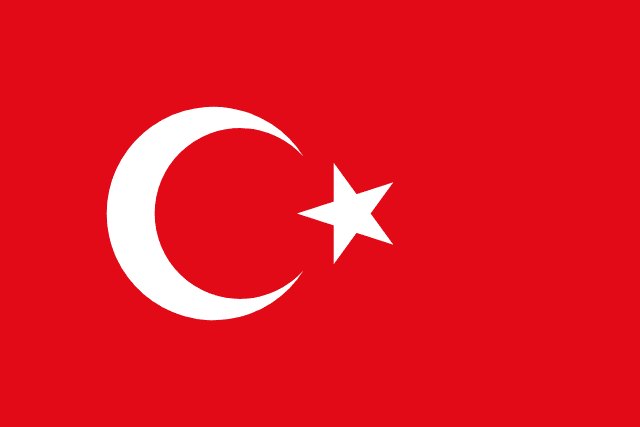 Turkey
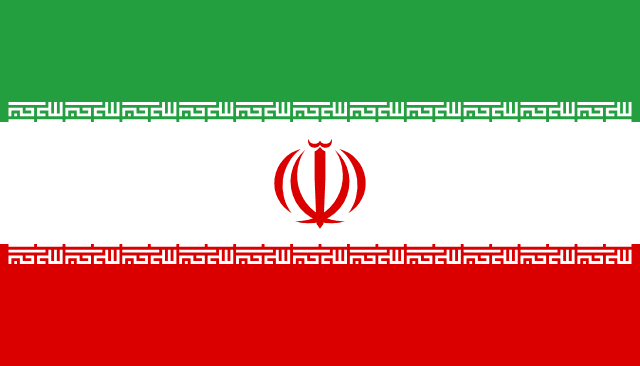 Iran
Iran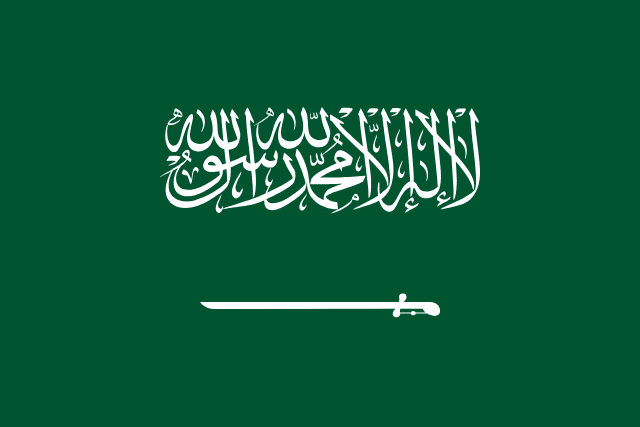 Saudi Arabia
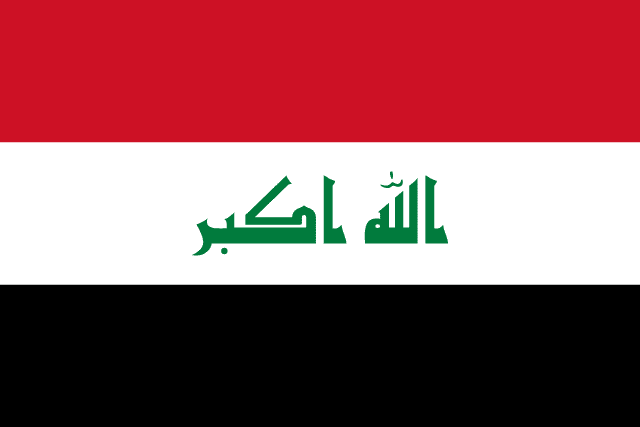 Iraq
Iraq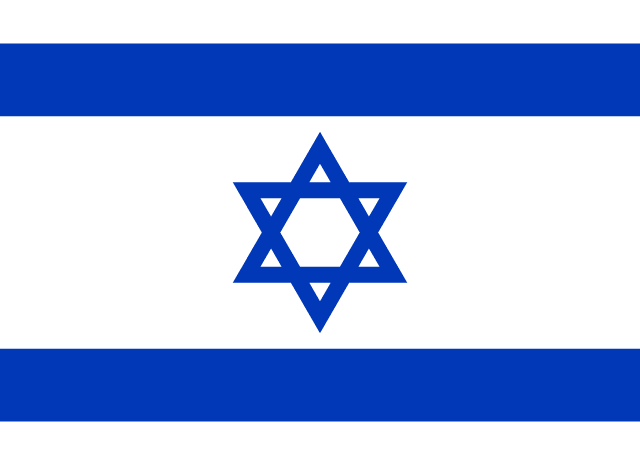 Israel
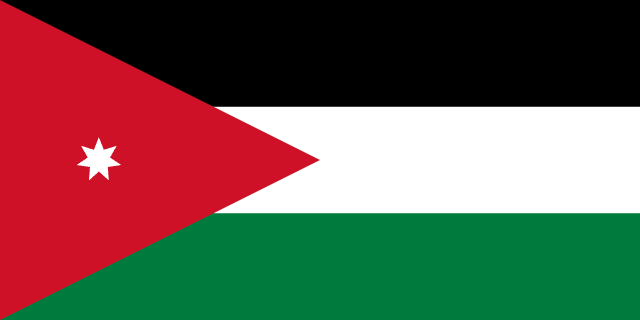 Jordan
Key Symbols in West Asian Flags
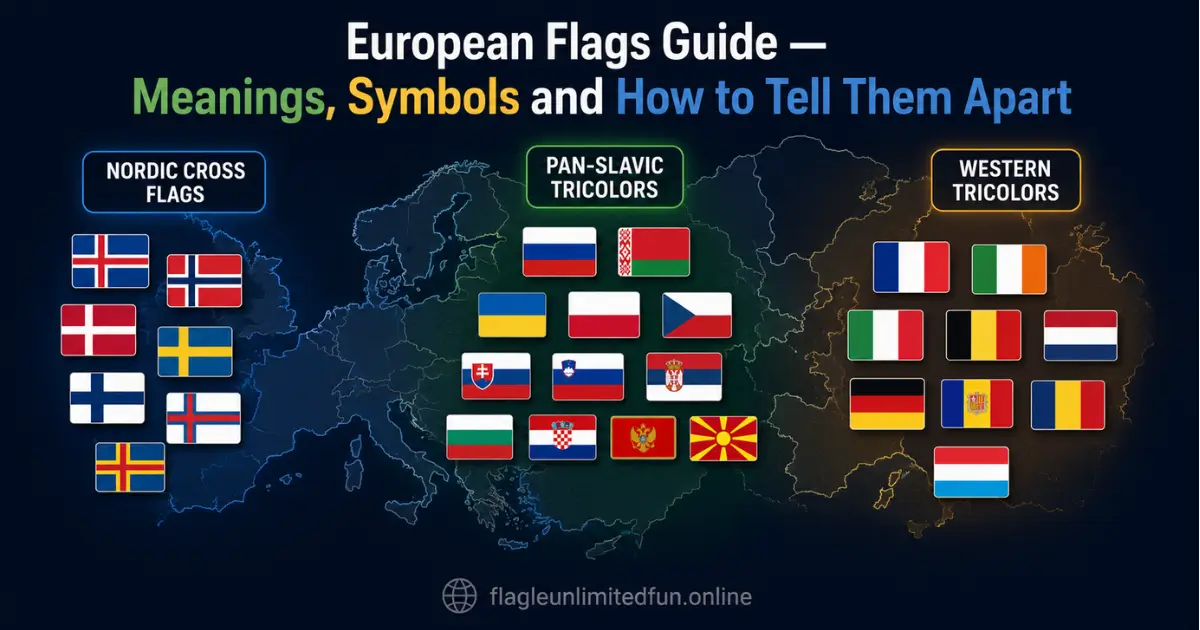
Turkey uses a red field with a white crescent moon and star. The design dates to the Ottoman Empire, and the crescent and star combination is one of the most recognized symbols associated with Islam worldwide. Saudi Arabia is unique: its primary design element is text: the Shahada, the Islamic declaration of faith) written in white Arabic script on a green field, with a white sword below it. It is the only national flag whose text cannot be reversed, which is why it always flies with the front facing outward on both sides. Israel features a blue Star of David between two horizontal blue stripes on white. The design is modeled on the tallit, the traditional Jewish prayer shawl.
Recognition Tips for West Asia
Saudi Arabia is immediately identifiable by its Arabic text. No other flag uses script as its central element in the same way. Iran uses a green, white, and red tricolor but has an elaborate central emblem and repeated Arabic script along the borders of the white stripe. Israel stands alone with its blue and white color scheme and Star of David. For everything else in this region, focus on the arrangement of the Pan-Arab colors rather than the colors themselves. Our best starting countries guide covers which opener gives you the best distance clues for this region.
How to Tell Similar Asian Flags Apart
Several groups of Asian flags cause consistent confusion. Here is a practical breakdown based on what actually trips people up in flag games:
Indonesia vs Monaco
Same red over white bicolor. Indonesia is wider relative to its height. If the distance indicator puts you in Southeast Asia, it is Indonesia. Western Europe means Monaco. There is no reliable visual trick here; geography is the only way.
Pakistan vs Saudi Arabia vs Other Green Crescent Flags
Pakistan has a white vertical stripe on the left side and a simple crescent and star on dark green. Saudi Arabia has Arabic script and a sword on lighter green with no vertical stripe. Malaysia also has a crescent but pairs it with red and white stripes. Context and sub-elements are everything here.
Pan-Arab Color Flags
Iraq, Jordan, Kuwait, UAE, Yemen, Syria, and Sudan all use combinations of red, black, white, and green. The arrangement and any central emblem distinguish them. Iraq has Arabic text in the center. Jordan has a red triangle on the hoist with a small white seven-pointed star. Kuwait has a black trapezoid on the hoist. UAE has a vertical red stripe on the left.
Kazakhstan vs Uzbekistan
Both use light blue prominently. Kazakhstan has a pure sky blue field with an eagle and sun. Uzbekistan uses a vertical tricolor of blue, white, and green with a crescent and twelve stars on the blue stripe.
⚡ Flagle Strategy for Asian Flags
When the distance indicator shows you are somewhere in Asia, look at the dominant color first. Green with a crescent means an Islamic nation in South, Central, or West Asia. Sky blue means Central Asia. Red with a single circle means Japan or Bangladesh. A dragon means Bhutan, every time. Once you have the dominant color, use the direction arrow to narrow down the sub-region and eliminate candidates systematically. Read our full strategy guide to build this skill faster, and try the Daily Challenge to test yourself every day.
Conclusion
Asian flags cover an extraordinary range of symbolic traditions. Learning them is not about memorizing colors in isolation. It is about understanding the cultures and histories behind the designs. A green field with a crescent tells you about Islam and its role in national identity. A sun with specific rays tells you about a nomadic people counting their tribes. A dragon tells you about a small Himalayan kingdom that has maintained its independence for centuries.
The more you understand the stories behind the flags, the faster you will recognize them in the game. Start with the ones that have no visual equivalent anywhere else: Nepal, Bhutan, Kazakhstan, Turkmenistan, and Saudi Arabia. Build outward from there. These anchor flags give you immediate wins and a strong foundation for tackling the harder ones.
Play Flagle Unlimited daily, track your improvement on the leaderboard, and try the Daily Challenge to test yourself against the same flag as players worldwide. For more tips on getting better, read our complete improvement guide.